
Computing & Networks
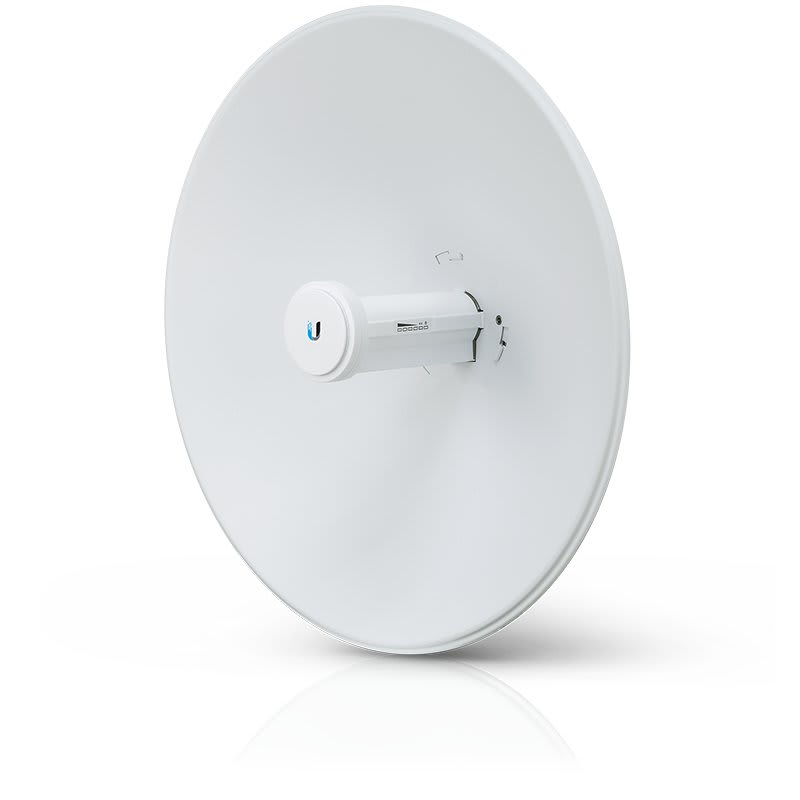
Ubiquiti airMAX PowerBeam 5AC Gen2 (PBE-5AC-Gen2)
KSh 19,000KSh 20,000
KSh 300 delivery anywhere in Kenya · Cash on delivery
Farms, flower farms and large plots around Nakuru, Naivasha, Eldoret, Nyahururu and Kericho need CCTV planned around distance, dust and power. This guide covers linking far-apart buildings, solar options and pairing cameras with an electric fence.
By Giga Team Solutions · Updated · 8 min read
On a farm, CCTV is less about the camera and more about geography. The gate might be 400 metres from the farm office, the fuel store sits behind the workshop, the packhouse is across a field, and the nearest power point to the back boundary is a long way off. A system designed like a town house, with every camera cabled back to one recorder in the main house, either cannot be built or costs far more in trenching than it should. This guide is for farms, flower farms, schools and large plots around Nakuru, Naivasha, Eldoret, Nyahururu and Kericho, and it focuses on the problems town installs do not have: distance, dust, power far from the house, and working alongside an electric fence.
Before choosing equipment, sketch the property, or print a satellite view, and mark three things.
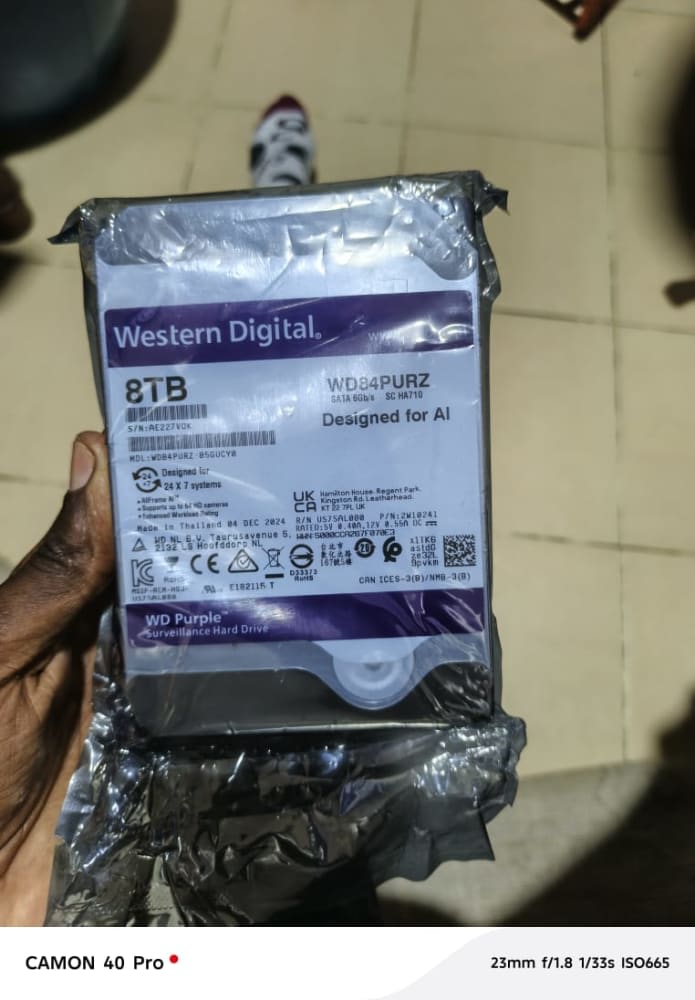
Put the recorder somewhere secure and staffed, usually the farm office or the main house. A farm with cameras at several buildings often ends up with ten or more, so a recorder with room to grow is worth it; the Hikvision 16-channel NVR (KSh 26,000) takes up to 16 cameras and up to 16TB of storage. More cameras means more disk: an 8TB WD Purple surveillance disk (KSh 35,000) is built for continuous recording, and the CCTV hard disk calculator shows how many days a given disk holds for your camera count.
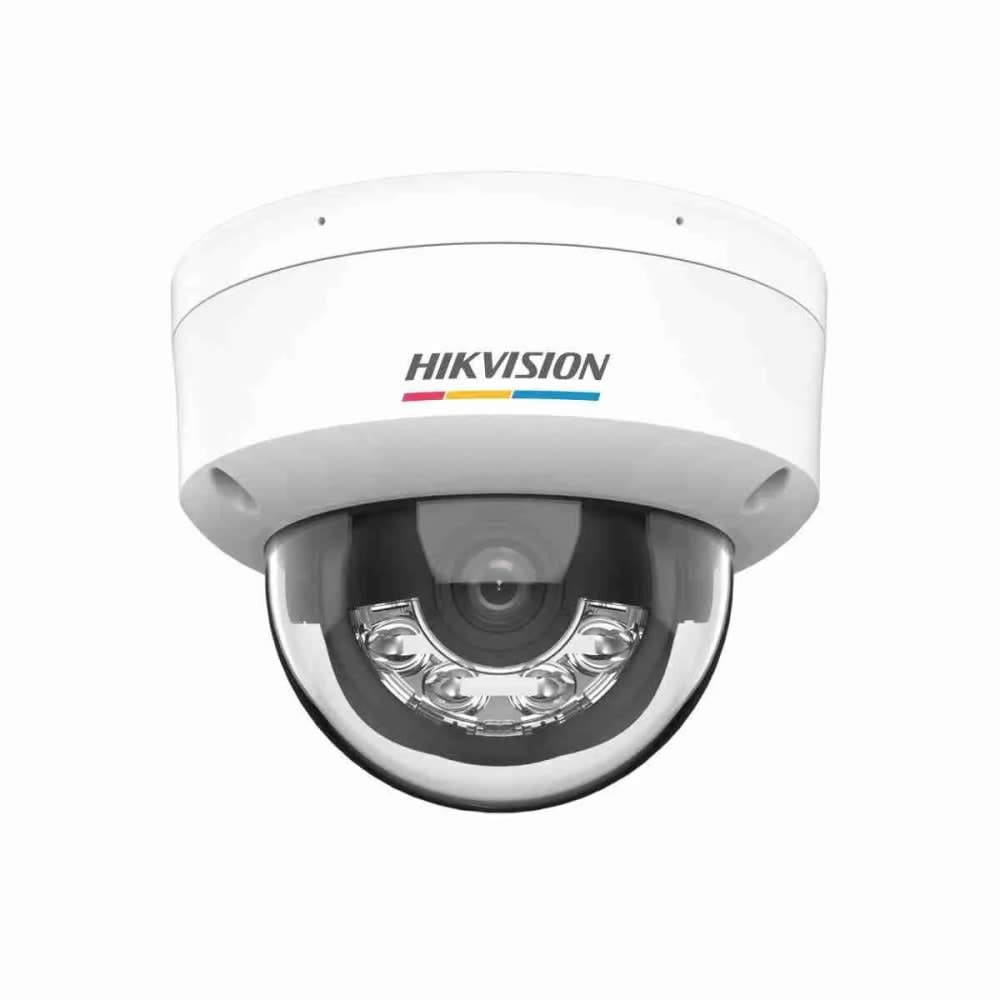
For cameras, outdoor IP models such as the Hikvision 4MP ColorVu IP bullet camera (KSh 8,200) give a colour image at night and run on PoE, so one cable carries both power and video from the nearest switch.
Network cable carrying video and PoE from a camera to a switch is limited to about 100 metres. On a farm, that limit is hit constantly. There are three ways around it.
| Method | Good for | Watch out for |
|---|---|---|
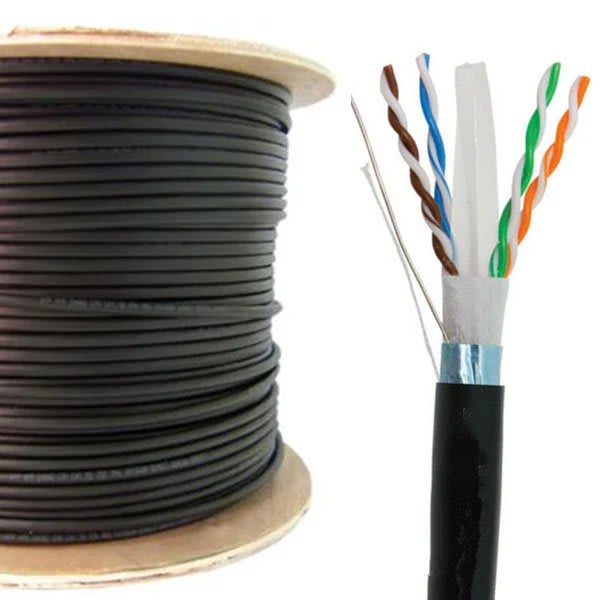
| Outdoor network cable | Runs under 100 metres, or chained through switches at buildings with power | Trenching cost across fields; cable must be outdoor-rated and in conduit |
| Fibre | Long runs where a trench is possible anyway | Needs media converters or fibre-capable switches at each end, and careful termination |
| Point-to-point wireless link | Buildings with clear line of sight, across fields, roads or rivers | Trees, buildings and greenhouse blocks in the path; both ends need power and a solid mount |
For many farms the wireless link is the cheapest option, because it skips the trench entirely. A pair of radios, one at the outbuilding and one at the office, carries all the camera video from that building back to the recorder. Our point-to-point wireless link guide explains how to plan one in detail.
We stock two Ubiquiti 5 GHz radios commonly used for this. The Ubiquiti PowerBeam 5AC Gen2 (KSh 19,000) has a dish antenna and is the one to choose for longer hops. The Ubiquiti LiteBeam 5AC Gen2 (KSh 10,000) is a lighter, cheaper unit for shorter hops between nearby buildings. A link always needs two radios, one at each end, so budget for the pair. The achievable distance depends on line of sight and mounting height; check the datasheet and plan the path before buying.
Practical points for farm links:
Dry-season dust is the main enemy of farm cameras in this region. Murram roads, tractors, harvesting and wind all lift fine dust that settles on lenses and inside anything not sealed.
In the higher, cooler areas such as Nyahururu and parts of Eldoret, cold nights and misty mornings add condensation. Mist also shortens how far a camera's night light reaches, so do not rely on the spec-sheet range for the far end of a field.
Where a building has reliable power, cameras run on PoE from a switch there, and the switch and radio go on a small UPS. The harder case is a camera at a remote gate, a borehole or a back boundary with no power nearby.
Solar is the usual answer: a panel, a charge controller and a battery sized to carry the camera, and a radio if the camera links back wirelessly, through the night and through cloudy days. The sizing is covered in our post on solar-powered CCTV and electric fence. The two rules worth repeating are to size the battery for several cloudy days, not one night, and to mount the panel and battery box where they are as hard to steal as the camera.
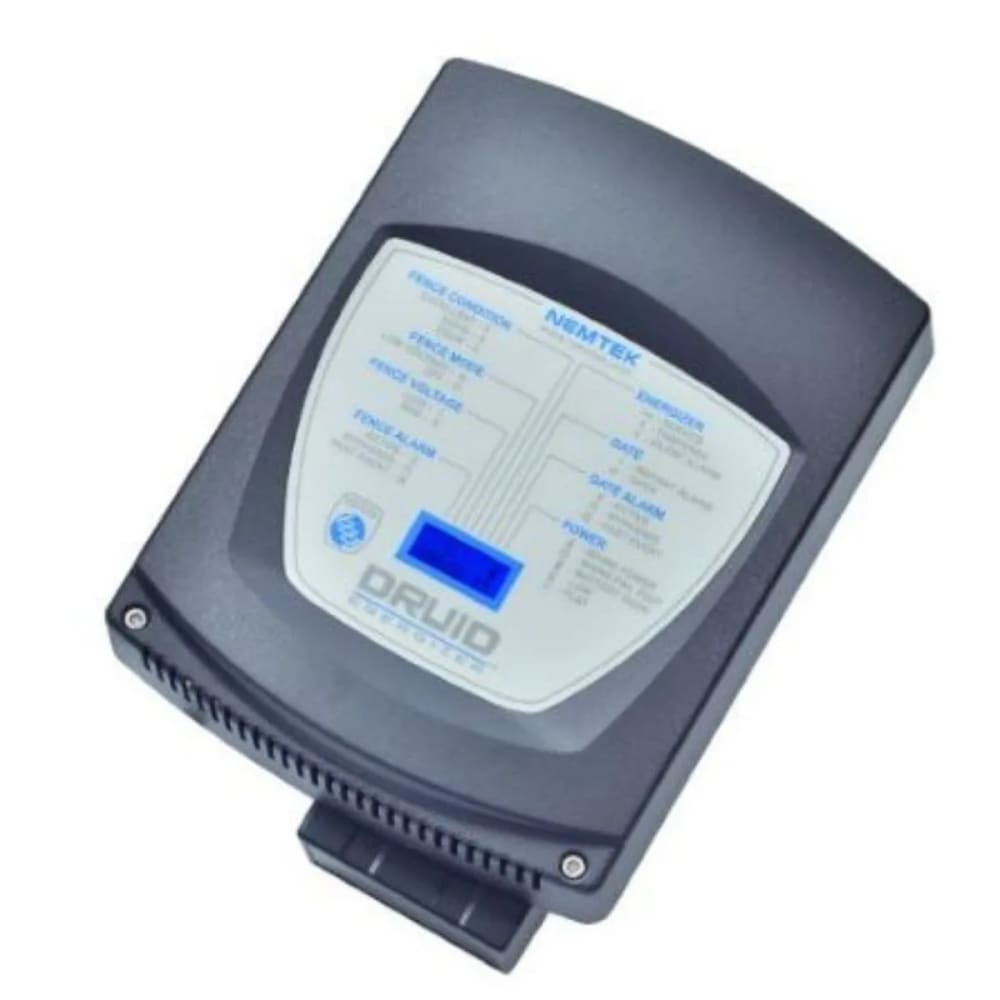
Many farms and large plots already have an electric fence, and the two systems work better together than apart. The fence detects someone cutting or shorting the wire; the camera shows who and where.
If you are planning a new fence alongside the cameras, our electric fence installation cost guide breaks down the materials and labour.
Naivasha flower farms. Long rows of greenhouses block wireless line of sight at ground level, so radios generally need to go on masts or packhouse roofs. Flower farms also employ large workforces, and CCTV that records staff falls under the Data Protection Act, 2019, which in general means ODPC registration and signs telling people they are being recorded (Kenyans.co.ke summary); confirm with the ODPC.
Nakuru town and nearby estates. Homes in and around Nakuru are closer to a town install: a gate, a few corners and a recorder indoors. The farm advice above applies once the plot gets big or the outbuildings are spread out.
Eldoret. Large grain farms and stores make the store doors and the weighing or loading area the priority, with long distances between them and the house.
Nyahururu. Cold and mist are the main factors, as described above. Test night pictures on a misty night before signing off.
Kericho. Tea estates combine long distances, hilly ground and frequent rain. Hills can block wireless paths, so walk the route or check elevation before choosing link sites.
We are based in Nairobi, at White Angle House, Room 62, Kenneth Matiba Road. Orders to Nakuru, Naivasha, Eldoret, Nyahururu, Kericho and anywhere else in Kenya are delivered for a flat KSh 300 per order, typically within 24 to 48 hours, and you pay cash on delivery. Most products carry the manufacturer's warranty, with returns accepted within 7 days.
We supply and install CCTV in Nakuru and across the Rift Valley. Call or WhatsApp us on +254 718 811 661 to discuss your site and get a quote. A sketch or satellite screenshot with the buildings, distances and existing power marked lets us suggest a parts list, including whether a wireless link makes more sense than cable.
Yes. Delivery to Nakuru, Naivasha, Eldoret, Nyahururu, Kericho and anywhere else in Kenya is a flat KSh 300 per order, typically within 24 to 48 hours, with cash on delivery.
Yes. We install CCTV in Nakuru and across the Rift Valley, and anywhere else in Kenya. Call or WhatsApp us on +254 718 811 661 with details of your site for a quote.
Network cable is limited to about 100 metres per run. Beyond that, use fibre in a trench or a point-to-point wireless link between the two buildings, which needs clear line of sight.
Two, one at each end of the link. Both need power, a solid high mount and a clear view of each other.
Yes. The energiser alarm tells you the fence has been tampered with and a camera on that section lets you see what is happening. Keep camera brackets and cables off the live fence wires.
Computing & Networks
KSh 19,000KSh 20,000

Computing & Networks
KSh 10,000
CCTV Cameras
KSh 8,200
CCTV Cameras
KSh 26,000
CCTV Cameras
KSh 35,000
Electric Fences & Razors
KSh 19,500KSh 20,000
Computing & Networks
KSh 26,000