
CCTV Cameras
CCTV Camera
KSh 8,200
KSh 300 delivery anywhere in Kenya · Cash on delivery
How a CCTV install in Nairobi actually goes, from the first WhatsApp photos to phone viewing, and what changes between a Kilimani flat, a Karen compound, a Syokimau house and a River Road shop.
By Giga Team Solutions · Updated · 8 min read
CCTV installation in Nairobi is mostly a planning job. The cameras are the easy part. What decides whether the system is still useful two years later is where the cables run, where the recorder sits, how everything stays powered during a KPLC outage, and whether the phone app was set up properly before the installer left. We sell and install CCTV in Nairobi from our shop on Kenneth Matiba Road in the CBD, so this page walks through how a typical job goes and what changes between a flat in Kilimani, a compound in Karen, a new house in Syokimau and a shop on River Road.
Whether you are in Westlands or Kitengela, the sequence is roughly the same.
Flats are the most common home CCTV installation in Nairobi, and they come with rules a standalone house does not.
Management approval first. In most blocks, anything fixed to a common wall, corridor, stairwell, parking or roof needs written approval from the management company or residents' association. Drilling into common areas without it is a quick way to have your cameras taken down. Inside your own unit, a camera covering your own door from the inside, or your own balcony, is usually your decision.
Corridors and parking are often a block-wide job. Where a block wants coverage of the gate, lifts and basement parking, it usually makes more sense for management to install one system with the recorder in the caretaker's office than for each resident to mount their own camera. Parking basements are long and dim, so cameras with good low-light performance and a recorder with enough channels for every level matter more than high resolution.
Neighbour privacy is where disputes start. A camera that looks straight into the opposite unit's window or balcony is a real legal risk. In 2023 the High Court found that cameras aimed at a neighbour's property in Kilimani infringed the Article 31 right to privacy (judgment on Kenya Law). In a separate case reported in late 2025, the ODPC ordered a homeowner to pay a neighbour KSh 200,000 after their CCTV captured the neighbour's home (Money254 report). Angle cameras along your own wall rather than across, and use the privacy-mask setting most current cameras and recorders offer to black out a neighbour's window. Our CCTV law guide covers this in more detail; it is general information, not legal advice.
Here the problem is distance. A half-acre or larger plot with a long boundary wall, mature trees and a gate 80 metres from the house needs a different design from a townhouse.
Many newer houses are in gated estates just outside the city, in Kiambu (Ruaka, parts of Thika Road), Kajiado (Kitengela, Rongai) and Machakos (Syokimau) counties. We install in Nairobi; for these areas, send your location when you ask for a quote so we can confirm.
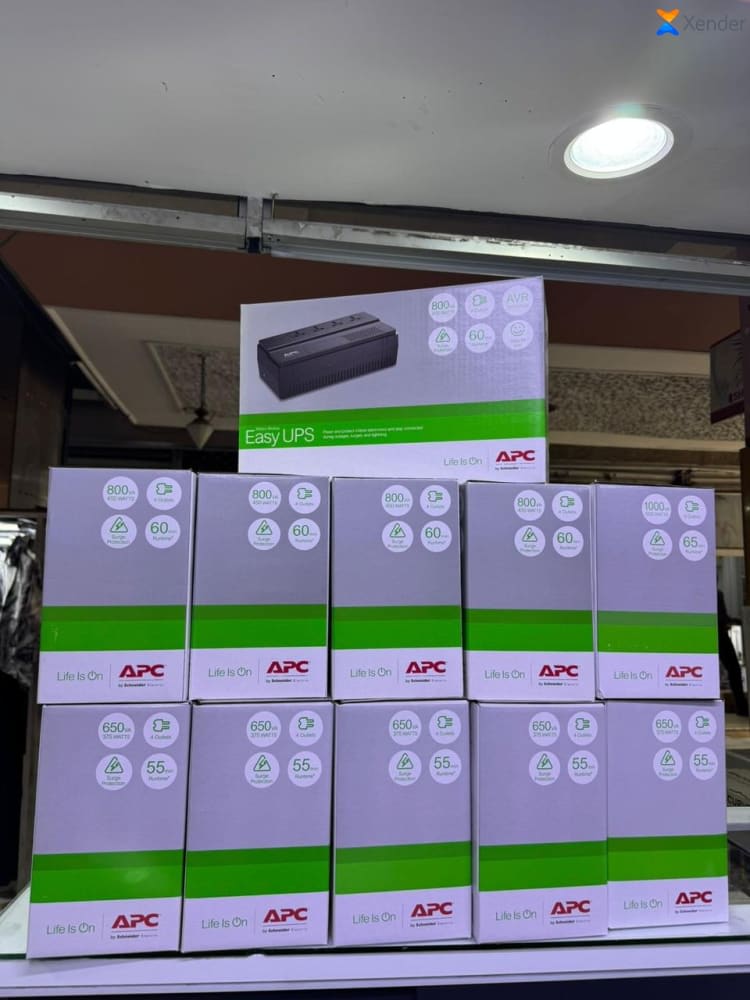
Plan for outages from day one. An NVR, a few PoE cameras and the internet router can run from one UPS. The APC 650VA UPS (KSh 8,000) is rated 325 watts; how long it lasts depends on what you connect, so add up the wattage on each device's label before deciding. Our post on UPS backup for CCTV shows how to size one.
WiFi cameras versus wired. WiFi cameras look attractive in a finished house because there is no cable to hide. The catch is that they still need a power socket at each camera, they drop off when the router loses power, and in an estate with dozens of routers close together the signal can be unreliable. Wired PoE cameras get power and data on one cable and keep recording as long as the recorder is on backup power. If the house is still under construction, lay conduit to each camera position now, even if the cameras come later.
Estate rules. Many estates have rules about cameras that face the road or a neighbour's plot. Check them before mounting anything on the front wall.
A shop install is short on cable and long on detail. The camera that matters most is the one over the till: mounted above and slightly behind the cashier so it sees hands, the drawer and the notes being counted, not just the tops of heads. Add one at the door at face height and one in the stockroom. Our post on how many cameras a shop needs goes through layouts by shop size.
In shared buildings, get the landlord's approval for anything outside your unit, and keep the recorder inside the shop in a locked box. A business recording customers and staff also falls under the Data Protection Act, 2019. In general that means registering with the ODPC and putting up signs telling people they are being recorded (Kenyans.co.ke summary); check the current requirements with the ODPC.
These are our current prices for the main parts of an IP camera system. Check stock before you order.
| Item | What it is | Our price |
|---|---|---|
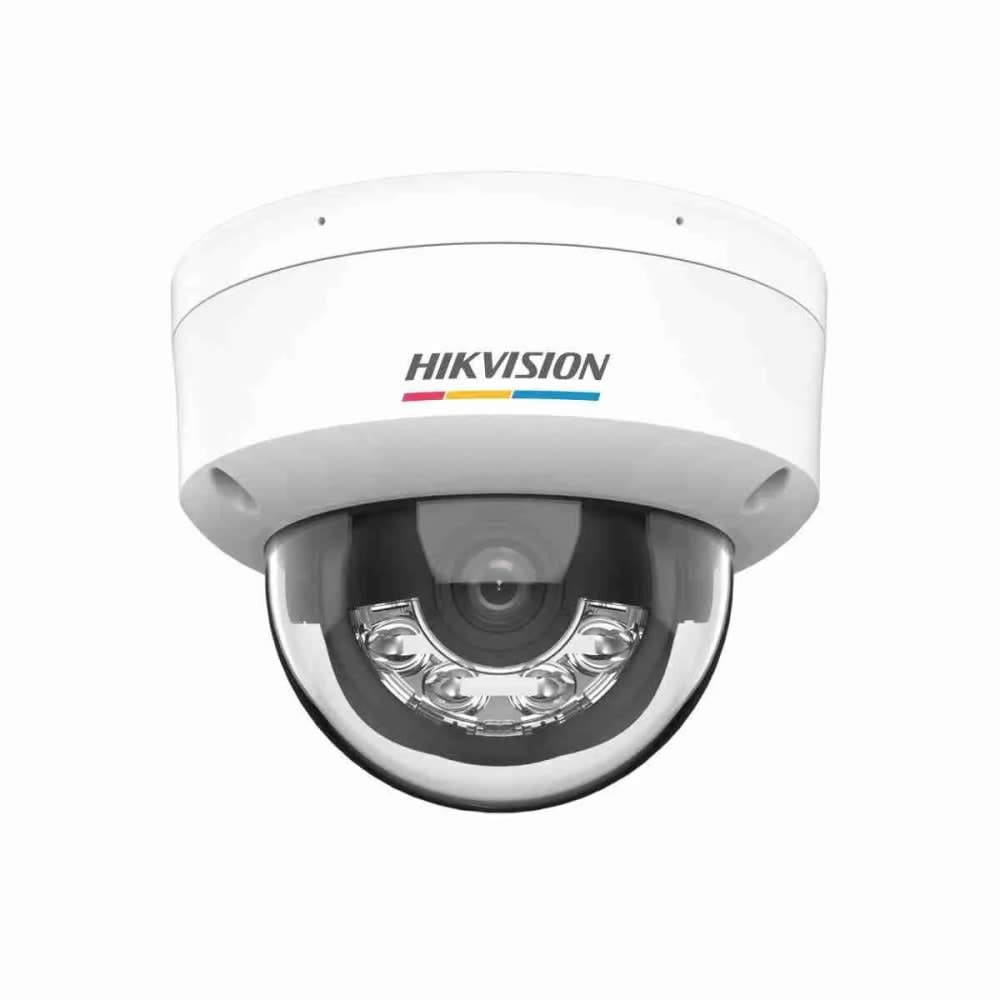
| Hikvision 4MP ColorVu IP bullet camera | Outdoor PoE camera, colour at night, records to an NVR | KSh 8,200 |
| Hikvision 16-channel NVR | 16 PoE ports, up to 8MP recording, Hik-Connect phone viewing | KSh 26,000 |
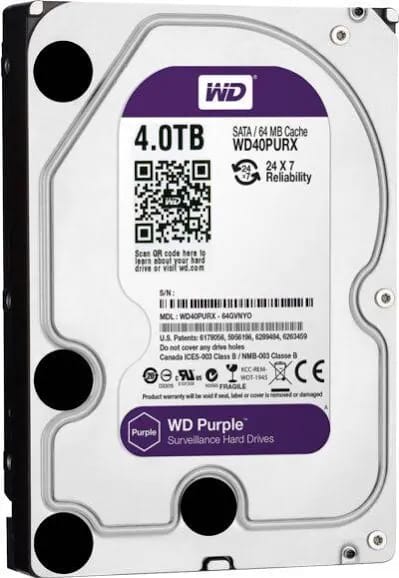
| 4TB hard disk | Storage for the recorder | KSh 14,000 |
| APC 650VA UPS | Backup power for NVR, router and cameras | KSh 8,000 |
| Hikvision ColorVu 1080p | 2MP HD analogue camera; needs a compatible DVR, not the NVR above | KSh 3,400 |
As a worked example, four 4MP IP cameras, the 16-channel NVR and a 4TB disk come to KSh 72,800 in hardware, before cable, labour and a UPS. The 16-channel recorder is more than four cameras need, but it leaves room to grow. How many days of footage a disk holds depends on resolution, compression and how many cameras record; the CCTV hard disk calculator gives an estimate.
The ColorVu 1080p is the cheaper route, but note that it is an analogue HD camera. It records to a DVR, which is not in our online catalogue, so do not mix it with the NVR in the table.
For comparison, typical market ranges seen in 2026 are KSh 30,000–50,000 for a 4-camera kit and KSh 55,000–90,000 for an 8-camera kit. Installer labour runs around KSh 2,000–4,000 per camera point and cabling around KSh 80–150 per metre. These are market figures, not our quote. See our CCTV installation cost breakdown for what drives the price up or down.
If you have your own installer, or you are fitting a camera or two yourself, you can walk in and buy at White Angle House, Room 62, Kenneth Matiba Road, Nairobi CBD, Monday to Saturday, 8:00 AM to 6:00 PM. You can see the cameras and the recorder before paying. Orders placed online are dispatched the same day within Nairobi, delivery is a flat KSh 300, and you pay cash on delivery. No payment is taken on the website.
If you want the system installed, send your photos and location on WhatsApp or by email to sales@gigateamsolutions.com and we will come back with a quote covering cameras, recorder, disk, cable, UPS and labour as separate lines, so you can see what you are paying for.
We install in Nairobi. For areas just outside the city, such as Ruaka, Kitengela, Syokimau or Rongai, send your location on WhatsApp when you ask for a quote and we will confirm.
For a small house or shop, clear photos of the gate, building corners and where you want the screen are often enough. Larger compounds and businesses usually need a site visit before a firm price.
For anything fixed to common walls, corridors, parking or the roof, most blocks require written approval from management or the residents' association. Cameras inside your own unit are usually your own decision.
Only if the recorder, cameras and router are on a UPS or other backup supply. Without backup the system stops recording as soon as the power goes off.
Yes. You can walk in at White Angle House, Room 62, Kenneth Matiba Road, Monday to Saturday, 8:00 AM to 6:00 PM, or order online with KSh 300 delivery and cash on delivery.
CCTV Cameras
KSh 8,200
CCTV Cameras
KSh 26,000
CCTV Cameras
KSh 14,000
Access Control Systems
KSh 8,000
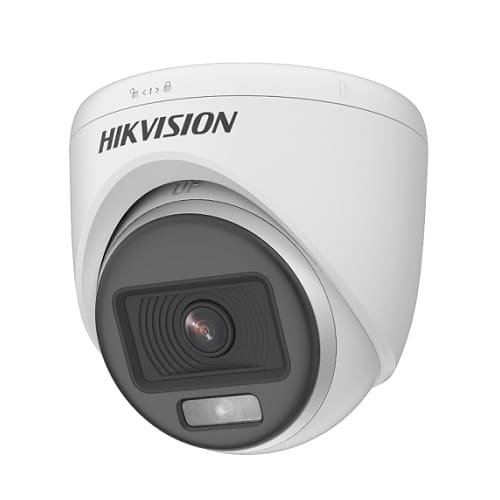
CCTV Cameras
KSh 3,400KSh 3,500
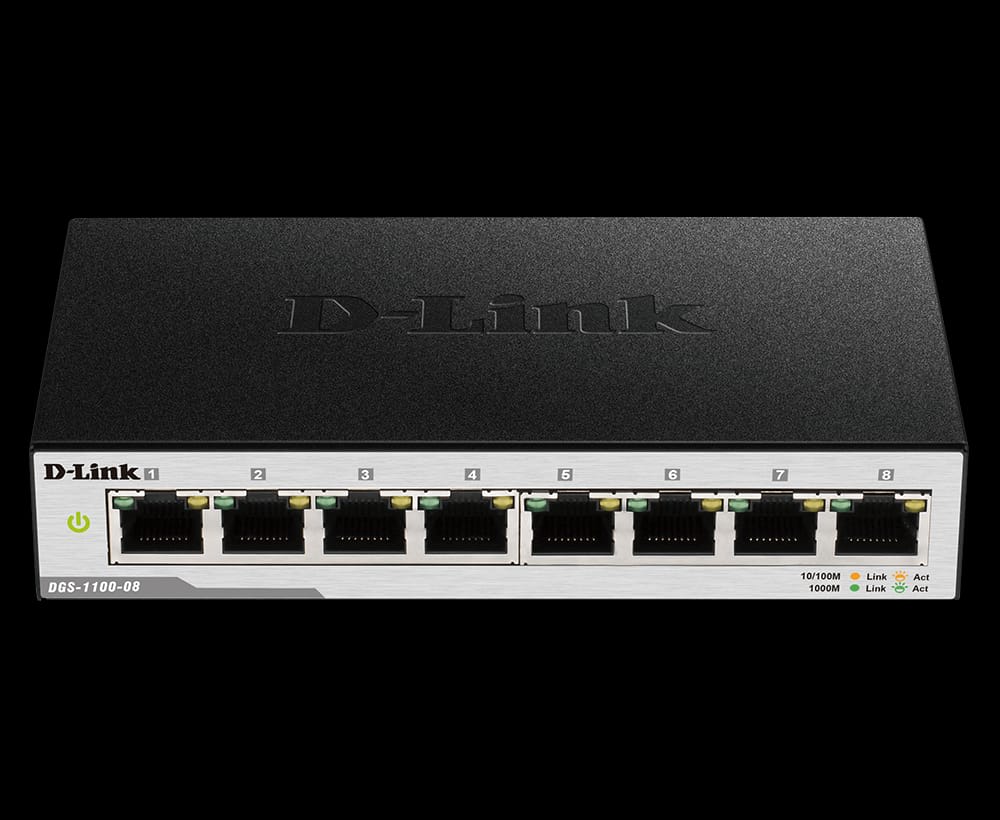
Switches
KSh 14,000