
CCTV Cameras
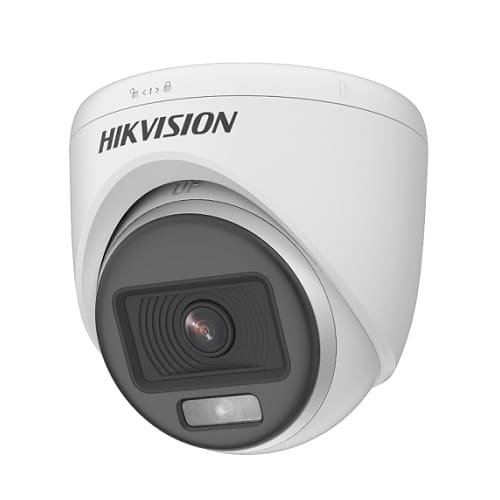
Hikvision ColorVu 1080p
KSh 3,400KSh 3,500
KSh 300 delivery anywhere in Kenya · Cash on delivery
Installing CCTV is legal in Kenya, but what you must do depends on whether the cameras protect a home, a business or a shared estate. This is a plain-language checklist built only from published sources, with practical installer advice on angles, signage and who sees the footage.
By Giga Team Solutions · Updated · 8 min read
Most people who call us about CCTV ask the same first question: is it legal to install CCTV in Kenya? In general, yes. Nothing stops a homeowner or a business from putting up cameras. What has changed since the Data Protection Act, 2019 is what you are expected to do once those cameras are recording people. A shop recording customers, a landlord recording tenants at the gate and a family recording its own compound are treated differently, and a camera that looks over the wall into a neighbour's home has already cost one Kenyan homeowner real money.
This is general information, not legal advice. We are installers, not lawyers. The rules and how the Office of the Data Protection Commissioner applies them can change. Before you rely on anything here, check with the ODPC at odpc.go.ke or speak to a lawyer about your own situation.
Below is everything we state about the law on this page. Each point links to the source we took it from, so you can read it yourself.
Use the column that fits you. Where a box says "check", that is a question for the ODPC or a lawyer, not something we can settle for you.
| Question | Home (your own compound) | Business (shop, office, workshop) | Landlord or estate (shared areas) |
|---|---|---|---|
| Is the Data Protection Act relevant? | Generally exempt if purely domestic | Yes | Likely yes, because tenants, visitors and staff are recorded; check with the ODPC |
| Register with the ODPC? | Generally no | Yes, unless exempt under LN 265 of 2021; check the Third Schedule | Check, especially for a management company or agent |
| Signage? | Good practice at the gate | Yes, at every entrance to a recorded area | Yes, at gates, lobbies, parking and lift areas |
| DPIA? | Not normally | Expected if cameras cover publicly accessible areas | Worth doing for gates and common areas; check with the ODPC |
| Neighbour's property in view? | Avoid or mask it | Avoid or mask it | Avoid or mask it, including inside flats facing the courtyard |
| Written rules on who views footage? | Sensible | Yes | Yes, including what the guard can see |
A home that points one camera at the street to watch the gate is still mostly domestic. The trouble starts when the camera's field of view keeps a neighbour's door, windows or compound on screen all day. That is exactly what the two neighbour cases above were about.
Neighbour disputes are the most common CCTV complaint we hear about, and most of them come down to where a camera was pointed on the day it was fitted. When we install in Nairobi, or when you do it yourself, these habits keep you on the right side:
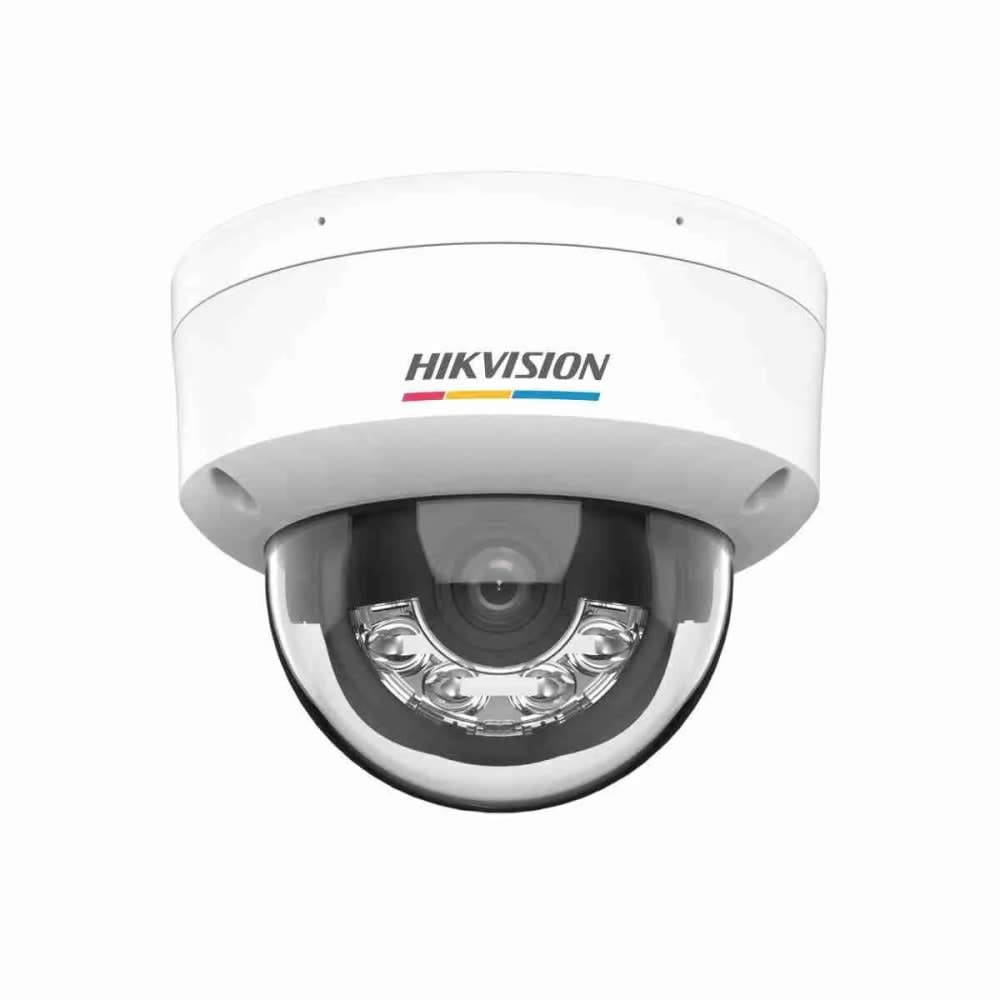
A camera such as the Hikvision ColorVu 1080p (KSh 3,400) or our general CCTV camera (KSh 8,200) can be aimed and masked like this. Browse more options in CCTV and surveillance.
Notice is one of the duties reported for business CCTV, and a sign is the simplest way to give it. Put it where people see it before they enter the recorded area: the shop door, the gate, the reception desk, the entrance to parking. A sign hidden behind the counter does not help. Example wording you can adapt:
CCTV IN OPERATION. This area is monitored and recorded for security and the safety of staff and visitors. The system is operated by [business or estate name]. For questions about the footage, contact [phone number] or [email address].
Keep it short, readable from a few metres away and in the language your customers or tenants read. If you serve a mixed audience, add a Kiswahili line. Name who runs the system and how to reach them, because that is who people will ask when they want to know what was recorded.
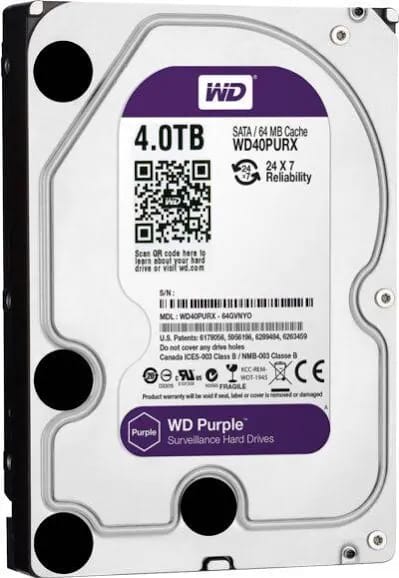
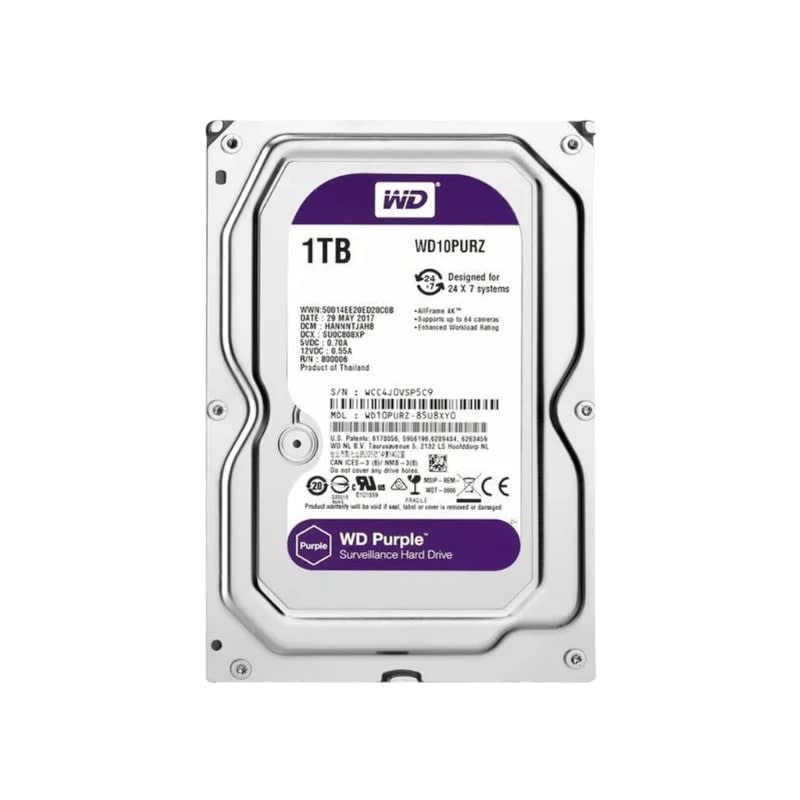
The sources above do not set a fixed number of days for CCTV. What decides retention in a real system is the hard disk: the recorder overwrites the oldest footage once the disk is full. So choose a period you can explain, then size the disk to match. For a shop or office, two to four weeks is usually enough time to notice an incident and pull the clip. Keeping months of footage "just in case" is harder to justify and means more data to protect. Our CCTV hard disk calculator shows how many days a given disk holds; a 1 TB WD hard disk (KSh 5,300) suits a small home system, while a 4 TB hard disk (KSh 14,000) gives a busier site more room.
The 16-channel Hikvision NVR (DS-7616NI-Q2/16P) at KSh 26,000 supports separate user accounts with different permissions, which makes these rules easy to enforce.
If your cameras cover a shop floor, a reception or an estate gate, write down in a page or two: where each camera points and why; what you are trying to prevent; who is recorded (customers, staff, visitors, passers-by); how long footage is kept; who can see it; and what you did to reduce intrusion, such as masking, no audio and no cameras in toilets or changing rooms. Ask the ODPC whether your DPIA needs to follow a particular format.
Estates and apartment blocks sit between home and business. Recording the gate, parking and corridors means recording tenants, their visitors and domestic workers every day. A management company or landlord running that system should not assume the household exemption covers it. Check registration with the ODPC, put up signs at every entry point, keep cameras out of views into individual flats and agree in writing who in the management team or security company can view footage. Our guide on access control for apartments and estates covers the gate side of the same problem.
Employers recording staff should tell them in writing where the cameras are and what the footage is used for. Cameras in offices and stores are normal. Cameras in toilets, changing areas or staff rest rooms are not. If you are planning the system from scratch, how many cameras a Nairobi shop needs and CCTV installation cost in Kenya are good next reads.
If you want us to plan camera positions with privacy in mind, send a few photos of the site on WhatsApp at +254 718 811 661 or through our contact page. We install in Nairobi, and we deliver equipment anywhere in Kenya for a flat KSh 300 with cash on delivery.
In general, yes. Businesses that record people are expected to follow the Data Protection Act, 2019, which includes registering with the ODPC unless exempt and putting up signs, while purely domestic home CCTV is generally exempt from registration.
A 2023 High Court judgment found cameras aimed at a neighbour's property infringed the right to privacy, and an ODPC determination reported in late 2025 ordered a homeowner to pay a neighbour KSh 200,000. If a camera covers your home, you can raise it with the owner or complain to the ODPC.
Business CCTV is covered by the Data Protection Act, but Legal Notice 265 of 2021 exempts businesses with turnover under KSh 5 million unless they process data for purposes listed in the Third Schedule. Check the Third Schedule or ask the ODPC.
Say that CCTV is in operation and recording, why it is used, who operates it and how to contact them. Place it before people enter the recorded area.
The sources we rely on do not set a fixed number of days. Pick a period you can justify, often two to four weeks for a shop or office, and size the hard disk so the recorder overwrites older footage after that.
CCTV Cameras
KSh 3,400KSh 3,500
CCTV Cameras
KSh 8,200
CCTV Cameras
KSh 26,000
CCTV Cameras
KSh 14,000
CCTV Cameras
KSh 5,300