How to Choose the Best CCTV Camera for Your Home or Office in Kenya
Not sure which CCTV camera to buy in Kenya? This guide explains indoor vs outdoor, wired vs wireless, resolution, night vision, and brands — so you get it right the first time.
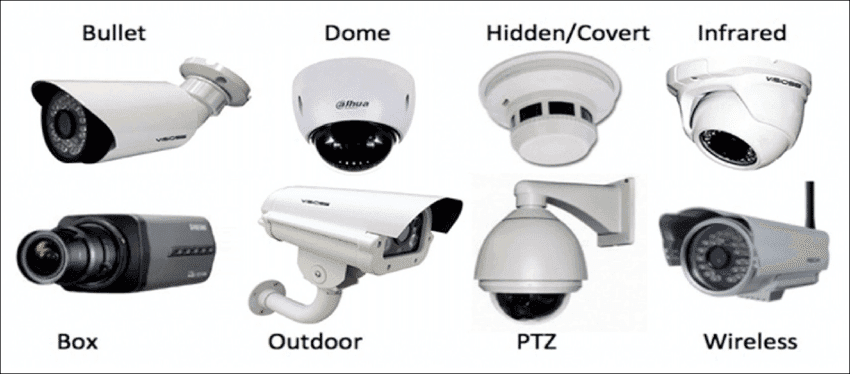
Step 1: Decide Where the Cameras Will Go
The most important question is whether the cameras will be installed indoors or outdoors.
Indoor cameras are designed for controlled environments — living rooms, offices, reception areas, and server rooms. They are smaller, less expensive, and do not need weatherproofing. However, they should never be installed outside, as moisture and dust will damage them quickly.
Outdoor cameras are built to withstand rain, dust, and extreme temperatures. Look for an IP65 or IP67 rating — this tells you the camera is dustproof and waterproof. In Kenya's climate, any camera installed outdoors must have at least an IP65 rating.
If you need cameras at entry gates, car parks, perimeter fences, or building exteriors, you need purpose-built outdoor cameras.
We supply a wide range of indoor and outdoor cameras. View all CCTV cameras available at Giga Team Solutions.
Step 2: Choose the Right Resolution
Resolution determines how clear your footage will be. In Kenya, the following guidelines apply:
| Use Case | Minimum Resolution |
|---|---|
| General monitoring (rooms, corridors) | 1080p (2MP) |
| Face identification | 2MP – 4MP |
| Number plate recognition | 4MP – 8MP |
| Large open areas (warehouses, car parks) | 4MP – 8MP |
| Basic deterrence only | 720p (1MP) |
For most homes and offices in Kenya, 2MP (1080p) cameras strike the right balance between image quality and storage space. If you need to identify individuals clearly — for example in a shop or at a gate — go for 4MP or higher.
Step 3: Consider Night Vision
Kenya's security incidents happen most often at night. A camera with poor night vision is a camera that fails when you need it most.
There are two main types of night vision available in Kenya:
Infrared (IR) night vision is the most common. The camera uses invisible infrared light to illuminate the scene, producing black-and-white footage at night. Most cameras in Kenya include IR night vision as standard. Check the rated IR range — a good outdoor camera should cover at least 30 metres.
Colour night vision (marketed as ColorVu by Hikvision and Full-Colour by Dahua) uses a combination of a white-light LED and a highly sensitive sensor to produce full-colour footage at night. This is significantly more useful for identifying people and vehicles. Colour night vision cameras cost more but are worth the upgrade for gates, driveways, and entrance areas.
Step 4: Wired vs Wireless — Which Is Right for You?
This is one of the most common questions we hear from customers in Nairobi.
Wired CCTV Systems
Wired cameras connect to a DVR or NVR via coaxial or ethernet cables. They are more reliable because they do not depend on WiFi, and they provide a continuous power supply through the cable (PoE — Power over Ethernet for IP cameras).
Advantages:
- More reliable — no signal drops
- Better for large installations (8+ cameras)
- Harder for intruders to disable remotely
- Cleaner footage at all times
Disadvantages:
- More complex and costly to install
- Requires cable runs through walls and ceilings
Wireless (WiFi) CCTV Systems
Wireless cameras connect to your WiFi network and record to a cloud server or a local NVR.
Advantages:
- Easier and faster to install
- Good for rentals or temporary setups
- Can be monitored from anywhere via smartphone
Disadvantages:
- Dependent on WiFi signal strength
- Subject to interference and network outages
- Battery-powered cameras require regular recharging
Our recommendation: For permanent installations in homes and offices, wired or PoE IP systems are more dependable. For rental properties, Airbnbs, or areas where cabling is difficult, wireless cameras are a practical solution.
Step 5: Choose Between Analogue (DVR) and IP (NVR) Systems
Analogue systems use a DVR (Digital Video Recorder) and coaxial cables. They are simpler and slightly cheaper to install, and many existing properties in Kenya already have coaxial cabling in place.
IP / network systems use an NVR (Network Video Recorder) and ethernet cables (Cat5e/Cat6). They offer better image quality, are easier to expand, and support advanced features like AI analytics, facial recognition, and remote access.
If you are setting up a new installation or want the best image quality, we recommend an IP (NVR) system. If you are upgrading an existing analogue setup, you can often reuse existing cables with HD-over-coax cameras.
Not sure which system suits your property? Contact our team for a free assessment — we serve homes, offices, schools, banks, and hospitals across Kenya.
Step 6: How Many Cameras Do You Need?
This depends entirely on your property. As a general guide:
| Property Type | Recommended Cameras |
|---|---|
| 1–3 bedroom home | 2 – 4 cameras |
| Shop or duka | 1 – 3 cameras |
| Small office (< 10 staff) | 2 – 4 cameras |
| Medium office / school | 4 – 8 cameras |
| Warehouse / factory | 8 – 16 cameras |
| Gated community / estate | 8 – 24+ cameras |
Focus on high-risk areas first: entry and exit points, car parks, server rooms, cash handling areas, and any blind spots identified during a site survey.
Step 7: Think About Storage
How long do you want to retain footage? In Kenya, the standard recommendation for businesses is 30 days of recording. For homes, 7–14 days is usually sufficient.
Storage requirements depend on the number of cameras, the resolution, and whether the system records continuously or only when motion is detected.
A practical rule of thumb:
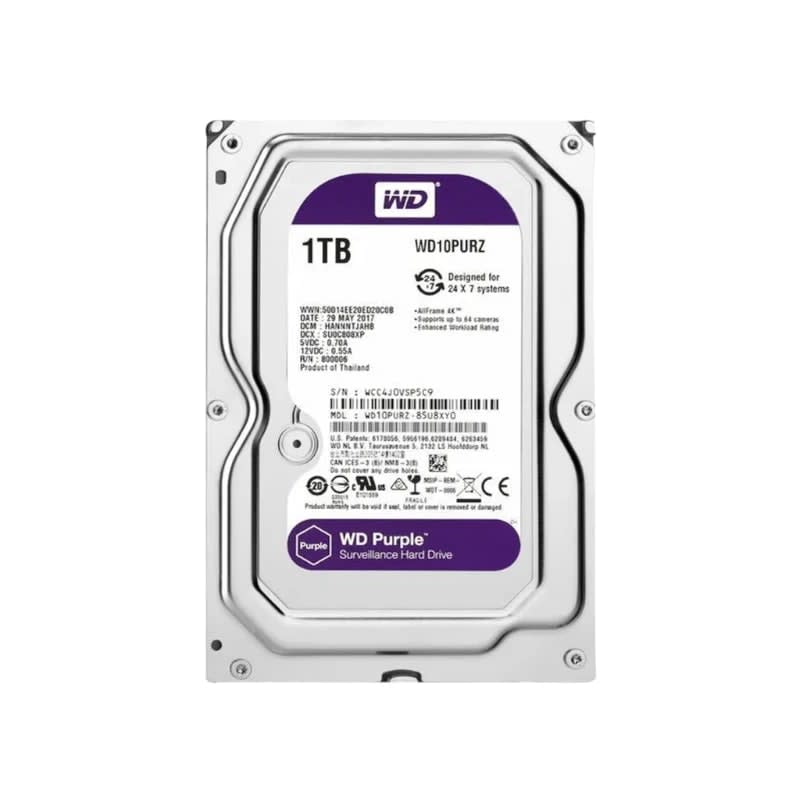
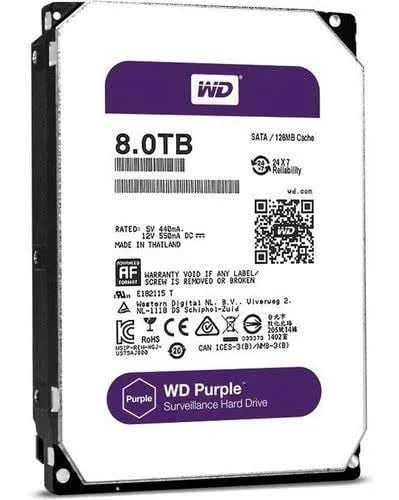
- 4 cameras, 1080p, 30-day retention: 2TB hard drive
- 8 cameras, 1080p, 30-day retention: 4TB hard drive
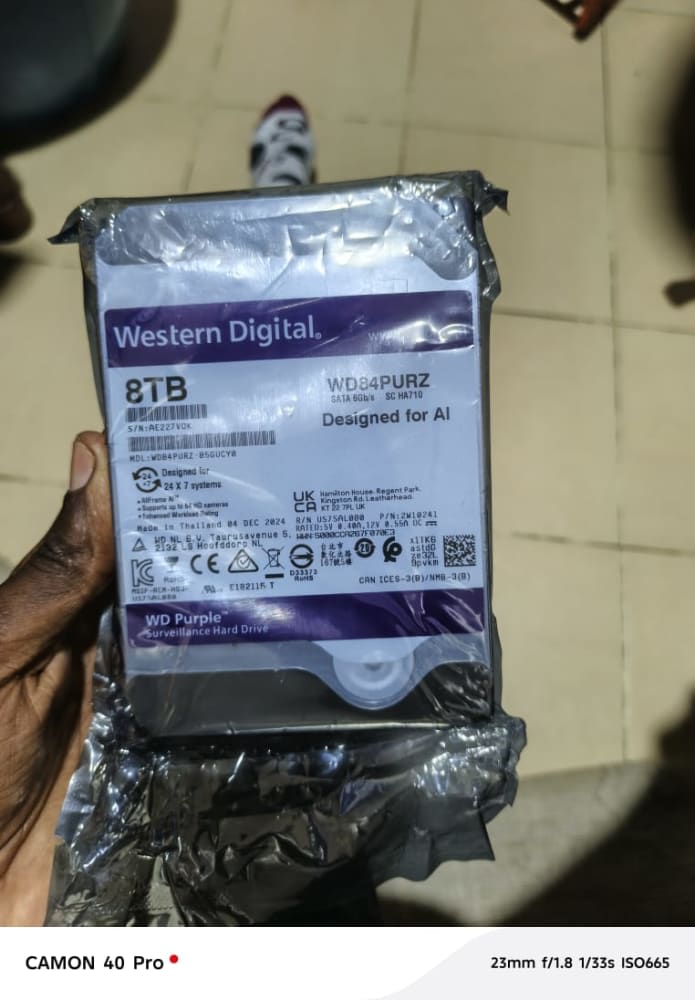
- 8 cameras, 4MP, 30-day retention: 6–8TB hard drive
Our team will size your storage correctly when we design your system. Get in touch to discuss your requirements.
Step 8: Can You Monitor It Remotely?
Yes — all modern CCTV systems support remote viewing via a smartphone app. Hikvision cameras use the Hik-Connect app, while Dahua cameras use DMSS. Both are free and available on Android and iOS.
For remote viewing to work, your DVR/NVR needs to be connected to the internet. Our team configures this during installation, so you can start monitoring your property from anywhere the same day.
Top CCTV Camera Brands Available in Kenya
At Giga Team Solutions, we stock and install:
Hikvision — the world's largest CCTV manufacturer. Excellent image quality, reliable hardware, and a wide product range. Ideal for all installation types.
Dahua — the second-largest CCTV manufacturer globally. Competitive pricing with excellent features, including full-colour night vision and AI-powered analytics.
Both brands are widely used across Kenya in homes, offices, banks, schools, and government institutions. We source genuine, warranted products directly from authorised distributors.
Browse our full range of Hikvision and Dahua CCTV cameras.
Ready to Buy? Here's What to Do Next
- Identify the areas you want to cover
- Decide whether you need indoor, outdoor, or both
- Consider your budget — including installation
- Call or WhatsApp us for a free site assessment
Giga Team Solutions Ltd
- Phone / WhatsApp: +254 718 811 661
- Email: sales@gigateamsolutions.com
- Location: White Angle House, Kenneth Matiba Road, Nairobi
- Hours: Monday – Saturday, 8:00 AM – 6:00 PM
View our CCTV products | Request a free quote