Biometric Access Control Systems in Kenya — Complete Guide 2026
Everything you need to know about biometric access control systems in Kenya. Compare fingerprint, face recognition, and card systems. Get prices and installation tips for Nairobi businesses.
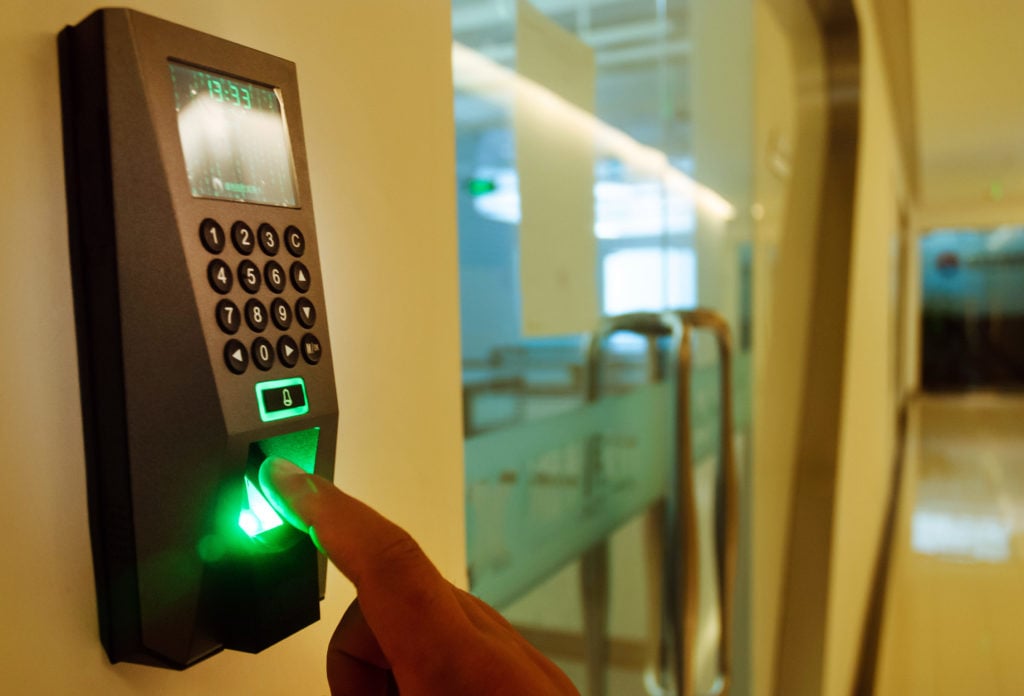
What Is a Biometric Access Control System?
A biometric access control system is an electronic security solution that restricts entry to a building, room, or gate based on a person's unique biological traits or a credential they carry (such as a smart card or PIN).
The system typically consists of:
- A reader — mounted at the door or gate (fingerprint scanner, face recognition terminal, or card reader)
- An electric lock — which releases when access is granted (magnetic lock, electric strike, or electric bolt)
- A controller — the brain of the system, which checks credentials against a database
- Management software — installed on a PC or accessible via the cloud, used to enrol users, set access schedules, and generate reports
When an authorised person presents their fingerprint, face, or card, the controller verifies the credential and triggers the lock to open. Every event is recorded — who entered, at what time, and through which door.
Types of Biometric Access Control Available in Kenya
1. Fingerprint Access Control
Fingerprint readers are the most widely installed biometric access control technology in Kenya. They are affordable, fast, and reliable.
How it works: Each authorised user's fingerprint is enrolled in the system. When they place their finger on the reader, the system verifies it against stored templates and opens the door in under a second.
Best for: Offices, schools, hospitals, warehouses, server rooms, and any facility with up to a few hundred users.
Prices in Kenya:
| Device | Price Range (KES) |
|---|---|
| Standalone fingerprint door lock | 8,000 – 18,000 |
| Networked fingerprint terminal (ZKTeco) | 15,000 – 30,000 |
| Multi-door fingerprint controller | 25,000 – 55,000 |
2. Face Recognition Access Control
Face recognition terminals have become significantly more affordable in recent years and are now a popular choice for offices and residential estates in Nairobi.
How it works: The system captures a 3D or 2D image of the user's face during enrolment. Entry is granted when the terminal recognises the face — no physical contact required.
Best for: High-traffic entry points, reception areas, environments where hygiene is important (hospitals, food facilities), and facilities where users may have dirty or wet hands (factories, workshops).
Prices in Kenya:
| Device | Price Range (KES) |
|---|---|
| Basic face recognition terminal | 20,000 – 35,000 |
| Face + fingerprint + card combo terminal | 25,000 – 50,000 |
| AI-powered face recognition terminal | 40,000 – 80,000 |
3. Card / Fob Access Control (RFID)
Card-based systems use proximity cards or key fobs that communicate with the reader wirelessly. They do not capture biometric data, making them simpler to set up and acceptable in environments where staff may object to biometric enrolment.
How it works: Each user is issued a programmed card or fob. They tap or swipe it at the reader to gain entry. Cards can be cancelled instantly if lost or stolen — unlike keys.
Best for: Apartment blocks, hotels, co-working spaces, and any property with high staff turnover.
Prices in Kenya:
| Item | Price Range (KES) |
|---|---|
| RFID access control reader | 5,000 – 12,000 |
| Proximity access card | 200 – 500 per card |
| Key fob | 300 – 600 per fob |
4. Multi-Factor Access Control
For high-security areas — such as data centres, vaults, pharmacies, or executive offices — you can combine two or more verification methods. For example, a user might need both a card and a fingerprint to enter. This is known as two-factor authentication (2FA) and dramatically reduces the risk of unauthorised access.
We supply access control systems for all security levels. Browse our access control products or contact us for a tailored recommendation.
Biometric Time and Attendance Systems in Kenya
One of the most common applications of biometric technology in Kenyan businesses is employee time and attendance tracking. Instead of manual sign-in sheets or punch cards, employees clock in and out using their fingerprint or face — eliminating buddy punching (where one employee clocks in on behalf of another) entirely.
The system automatically generates attendance reports, overtime calculations, and leave records — which can be exported directly to payroll software.
Popular time and attendance terminals in Kenya:
| Terminal | Features | Price Range (KES) |
|---|---|---|
| ZKTeco K40 | Fingerprint + PIN, up to 3,000 users | 12,000 – 18,000 |
| ZKTeco uFace 800 | Face + fingerprint + card | 25,000 – 40,000 |
| ZKTeco SpeedFace V5L | Face recognition, mask detection | 35,000 – 55,000 |
| Suprema BioStation A2 | Fingerprint + card, IP-based | 40,000 – 70,000 |
ZKTeco is the most widely installed time and attendance brand in Kenya, with excellent local support and software available in Swahili and English.
Complete Access Control System Cost in Kenya
A complete access control installation includes the terminal/reader, electric lock, controller, cabling, and configuration. Here are typical costs for common installation scenarios:
Single Door (Office or Meeting Room)
| Item | Cost (KES) |
|---|---|
| Fingerprint / face terminal | 15,000 – 30,000 |
| Magnetic lock (600lb holding force) | 5,000 – 10,000 |
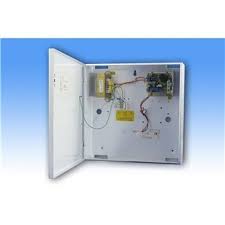
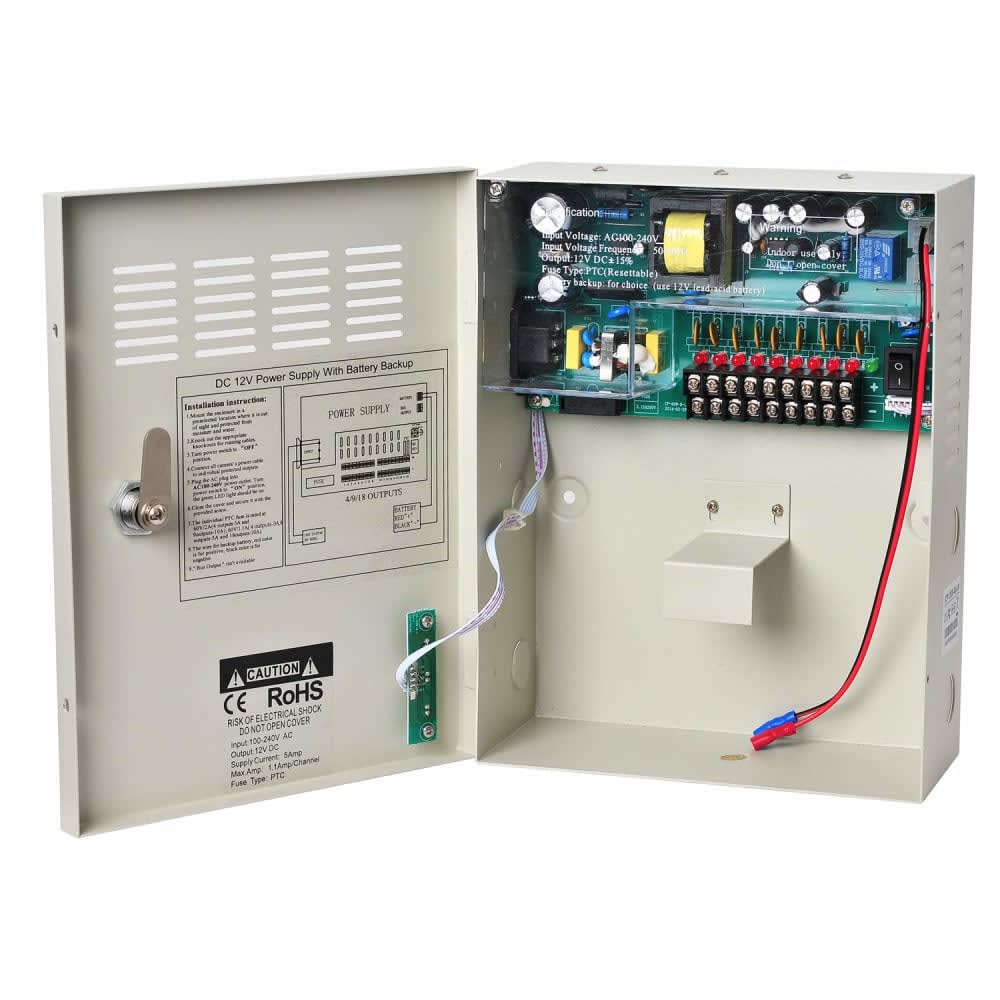
| Power supply | 3,000 – 5,000 |
| Exit button + door sensor | 1,500 – 3,000 |
| Installation labour | 5,000 – 10,000 |
| Total | 29,500 – 58,000 |
3-Door Office System
| Item | Cost (KES) |
|---|---|
| 3 × fingerprint terminals | 45,000 – 90,000 |
| 3 × magnetic locks | 15,000 – 30,000 |
| Controller + power supplies | 15,000 – 25,000 |
| Cabling + installation | 15,000 – 30,000 |
| Management software | 0 – 15,000 (some brands include free software) |
| Total | 90,000 – 190,000 |
School or Hospital (10-Door System)
For larger installations, costs scale with the number of doors and the complexity of the system. A 10-door enterprise-grade installation typically ranges from KES 350,000 – 700,000 depending on hardware choices and site conditions.
Every property is different. Contact Giga Team Solutions for a free site visit and accurate quote.
What Electric Lock Should You Use?
The lock is just as important as the reader. The three main types used in Kenya are:
Magnetic locks (maglocks): Use an electromagnet to hold the door shut. They are extremely reliable, have no moving parts, and are the most common choice for interior doors. They fail-safe (unlock when power is cut), making them suitable for fire-exit doors.
Electric strikes: Replace the standard door strike plate. They are less visible and work with standard door frames. They can be configured to fail-safe or fail-secure.
Electric bolts: Suitable for wooden doors and gates. They are fail-secure (remain locked when power is cut), making them suitable for high-security doors.
Our team will recommend the right lock for each door during your site survey.
Top Access Control Brands Available in Kenya
ZKTeco — the market leader in Kenya for both access control and time attendance. ZKTeco terminals are reliable, easy to manage, and backed by strong local support. Their software (ZKBioSecurity and ZKTime) is available in English and integrates with most payroll systems.
Suprema — a premium South Korean brand used in banks, government offices, and embassies across Nairobi. Suprema systems offer excellent image quality, GDPR-compliant biometric storage, and advanced features like anti-passback and zone-based access control.
Hikvision — best known for CCTV, Hikvision also makes excellent access control and face recognition terminals that integrate seamlessly with their surveillance systems. Ideal for clients who want a single vendor for both CCTV and access control.
We are authorised suppliers of ZKTeco, Suprema, and Hikvision access control products in Kenya. Browse our product catalogue.
Can Access Control Be Integrated With CCTV and Electric Fences?
Yes — and this is exactly how most professional installations in Kenya are done. Integrating your access control system with your CCTV cameras means that every time a door is accessed, the system can automatically pull up the corresponding camera footage. This makes incident investigation much faster and more reliable.
Combined with a CCTV system and an electric fence, a biometric access control system forms part of a comprehensive layered security strategy — the gold standard for high-value properties in Kenya.
Is Biometric Data Safe and Legal in Kenya?
Kenya's Data Protection Act (2019) governs the collection and storage of biometric data. Businesses that collect fingerprints or facial images must:
- Inform employees and obtain consent before enrolment
- Store biometric data securely (on a local server or encrypted database)
- Not share biometric data with third parties without consent
Reputable systems like ZKTeco and Suprema store biometric templates (mathematical representations, not actual images) in encrypted form on the device — this complies with Kenyan data protection requirements. Our team can advise you on best practices for data handling during installation.
Why Choose Giga Team Solutions for Access Control?
We have designed and installed access control systems for offices, schools, hospitals, banks, factories, and residential estates across Kenya. Our team handles everything — from initial site survey and system design, through to installation, staff training, and ongoing support.
Giga Team Solutions Ltd
- Phone / WhatsApp: +254 718 811 661
- Email: sales@gigateamsolutions.com
- Location: White Angle House, Kenneth Matiba Road, Nairobi
- Hours: Monday – Saturday, 8:00 AM – 6:00 PM
View our access control products | Request a free consultation