Electric Fence & Gates
Electric Fence Alarm Keeps Going Off? How to Find the Fault
Electric fence alarm going off again and again? Find the fault: vegetation, broken wire, cracked insulators, poor earthing, undergate cable damage and energizer settings.
By Giga Team Solutions · · 8 min read
A monitored electric fence raises the alarm when its energizer detects something wrong: the voltage on the wire has dropped below a set level, a wire has broken, or someone has tampered with the system. When the siren goes off night after night with no intruder in sight, the fence is usually telling the truth. Something is leaking current or breaking the circuit, and the alarm only stops for good once that fault is found. This guide explains the usual causes and a methodical way to track them down.
Safety first
- Switch off the energizer before touching any wire. Many monitored energizers have a backup battery and keep pulsing the fence when mains power is off, so switching off at the socket may not be enough. Use the energizer's own switch or keypad, and disconnect the battery if needed.
- Confirm the fence is dead with a fence tester before you touch it.
- Do not work on the fence in the rain or during a thunderstorm.
- Visual checks, trimming and testing are reasonable for a careful owner. Anything involving the energizer's internals, the earth system or rewiring should be done by a qualified electric fence installer.
Common causes at a glance
| Cause | Typical signs | Fix |
|---|---|---|
| Vegetation touching the wire | Low-voltage alarms, worse after rain or on windy nights | Trim back and keep clear |
| Broken or loose wire | Continuous alarm, break or open-circuit indication | Rejoin and re-tension with proper joints |
| Cracked or dirty insulators | Ticking or sparks at a post at night, worse when wet | Replace the damaged insulators |
| Poor earthing | Low voltage along the whole fence, worse in the dry season | Installer to inspect and extend the earth system |
| Damaged undergate cable | Fault started after gate or driveway work, or after heavy rain | Replace with proper undergate cable in conduit |
| Energizer settings or backup battery | Alarms with no measurable fault on the fence | Check alarm threshold and battery with the installer |
Vegetation, wind and rain
This is the most common cause in Nairobi estates. Bougainvillea, kei apple, creepers and overhanging branches grow into the wires on top of perimeter walls. Each leaf touching a live wire leaks a little current to earth, and when the leaves are wet they leak far more. That is why alarms often cluster in the long and short rains, or on windy nights when branches swing into the wire.
Walk the fence in daylight and trim anything within reach of the wires, including on the neighbour's side if you can agree access. Also look for plastic bags, kite strings and wire offcuts caught on the fence.
Rain can also cause trouble without vegetation: water running across a dirty or cracked insulator lets current track to the bracket. If alarms only happen in wet weather and the fence is clear of plants, look closely at the insulators.
Broken wire, insulators and undergate cables
Wire
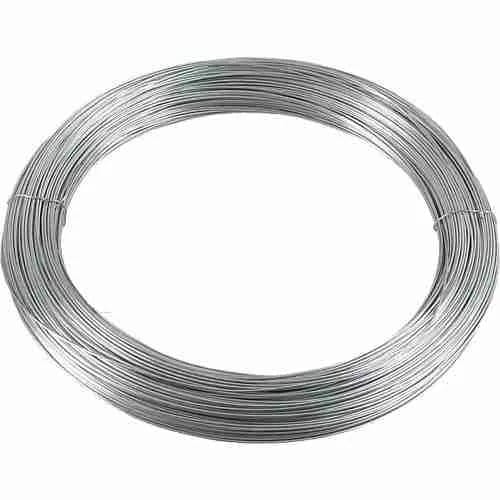
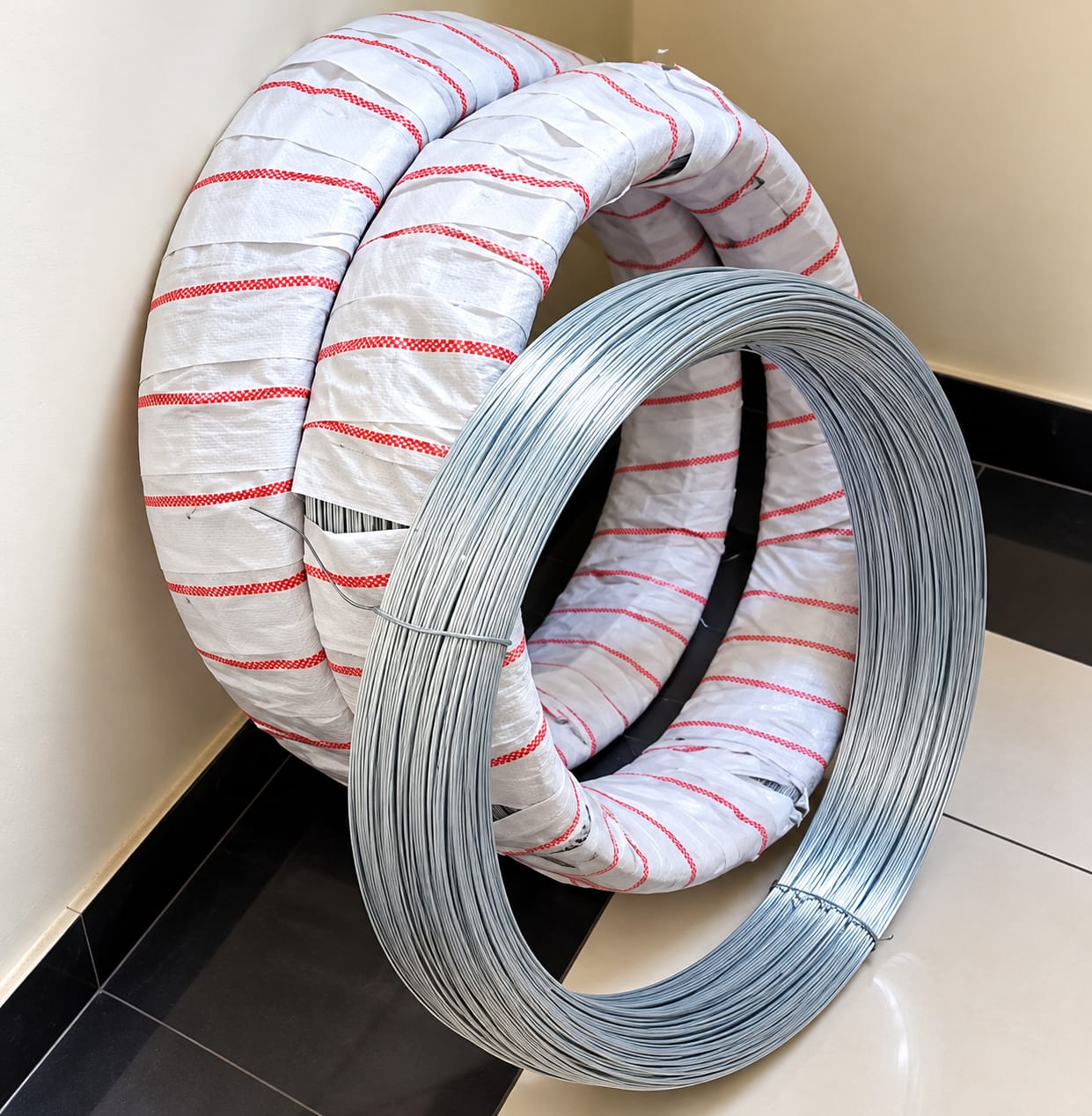
Wires snap at corroded joints, under falling branches, or where they rub on a bracket. Slack wire can also swing into the next wire in wind. Rejoin breaks with a proper fence joint or connector rather than a loose twist, and re-tension the line at the strainers. Replacement high-tensile wire is available as 1.6mm HT wire (KSh 5,700) or 2.5mm HT wire (KSh 13,000); match what is already on your fence.
Insulators
Look for cracked porcelain, plastic insulators gone brittle in the sun, and black tracking or burn marks. At night, a cracked insulator often ticks or shows a small spark with every pulse. Replace any that are damaged. Porcelain insulators (KSh 80 each) are cheap enough that it makes sense to keep a few spare.
Undergate cable
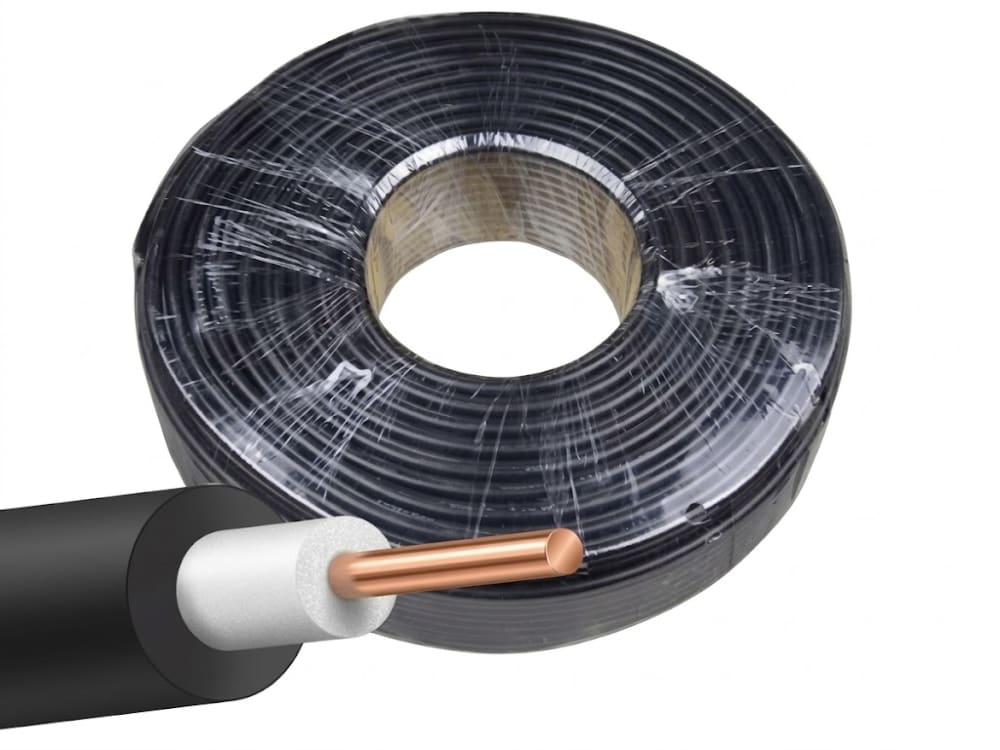
The cable that carries the fence across the gateway runs underground, under every car that enters. Vehicles crush it, digging cuts it, water collects in the conduit, and ordinary household wire breaks down under fence voltage. A damaged undergate cable leaks current into the ground and often shows up as low voltage on the far side of the gate. Replace it with purpose-made undergate cable in conduit, such as 1.5mm undergate cable (KSh 1,200) or 2.5mm undergate cable (KSh 5,000).
Earthing and energizer settings
Poor earthing
Every pulse from the energizer has to return through the earth system. If there are too few earth spikes, the clamps have corroded, or the soil has dried out, the whole fence runs at low voltage and the alarm trips more easily. Problems often appear or get worse in the dry months, when the ground around the spikes dries out.
Earth work is a job for an installer. They can test the earth system, add or relocate spikes, and keep the fence earth separate from the building's electrical earth as the energizer's manual specifies.
Energizer settings and the alarm itself
Monitored energizers such as the Nemtech Wizord 2 (KSh 19,500) let the installer set the voltage level that triggers an alarm, along with zones and siren behaviour. If the threshold has been set too close to the fence's normal operating voltage, small everyday changes will set it off. Have the installer check the settings against the manual. Do not simply turn the sensitivity down to silence the siren: that hides a real fault and weakens your security.
Also check the parts around the energizer. A flat backup battery or a faulty siren can produce alarms or beeps that have nothing to do with the fence wire. A replacement siren kit (KSh 2,300) is a common spare.
Step-by-step fault finding with a fence voltmeter
Use a proper electric fence voltmeter or digital fence tester. A household multimeter is not designed for fence voltages and should never be used on a live fence.
- Note when the alarm happens: in rain, in wind, at night, or after the gate is used. This points you to a cause before you start.
- Read the energizer's display or lights to see whether it reports low voltage, a break or tamper.
- Test the energizer on its own. Switch it off, disconnect the fence output, switch it back on and measure across its fence and earth terminals. A low reading here points to the energizer or earth system: call your installer.
- Reconnect and walk the fence, measuring between the live wire and earth at intervals. The reading falls as you get closer to a leak.
- Split the fence in half. With the energizer off, open a cut-out switch or joint near the middle, then switch on and measure each half. Keep halving the faulty section until the fault is between two posts.
- Look and listen at night along that stretch for ticking or sparks.
- Switch off, repair, then re-test the whole fence before closing up.
Some fence testers can also show which direction current is flowing, which speeds up this search. Whatever tool you use, compare readings along the fence rather than relying on a single number.
Frequently Asked Questions
Why does my electric fence alarm go off when it rains?
Wet leaves and wet, dirty or cracked insulators leak far more current than dry ones. Trim vegetation away from the wires and replace any damaged insulators.
Can I just turn down the alarm sensitivity?
It may stop the noise, but it leaves the real fault in place and makes the fence easier to defeat. Find and fix the leak, then have the installer confirm the threshold suits the fence.
Is the fence safe to touch once I switch off the mains?
Not necessarily. Many energizers keep running on a backup battery. Switch the energizer itself off and confirm the wire is dead with a fence tester first.
How often should I inspect my electric fence?
Walk it regularly and after storms, and trim vegetation more often during the rains. Check insulators and joints at the same time.
For insulators, wire, undergate cable and energizers, see our electric fence range, and for planning a new fence, read our electric fence installation cost guide. Our shop is at White Angle House, Rm 62, Kenneth Matiba Rd, Nairobi CBD (Mon–Sat, 8:00 AM – 6:00 PM). Delivery is a flat KSh 300 anywhere in Kenya, with cash on delivery. WhatsApp +254 718 811 661 to ask about parts or a fault.