Fire Alarm Systems & Safety Compliance for Kenya Businesses 2026
A 2026 guide to fire alarm systems and safety compliance for businesses in Kenya: components, conventional vs addressable, OSHA rules, costs and maintenance.
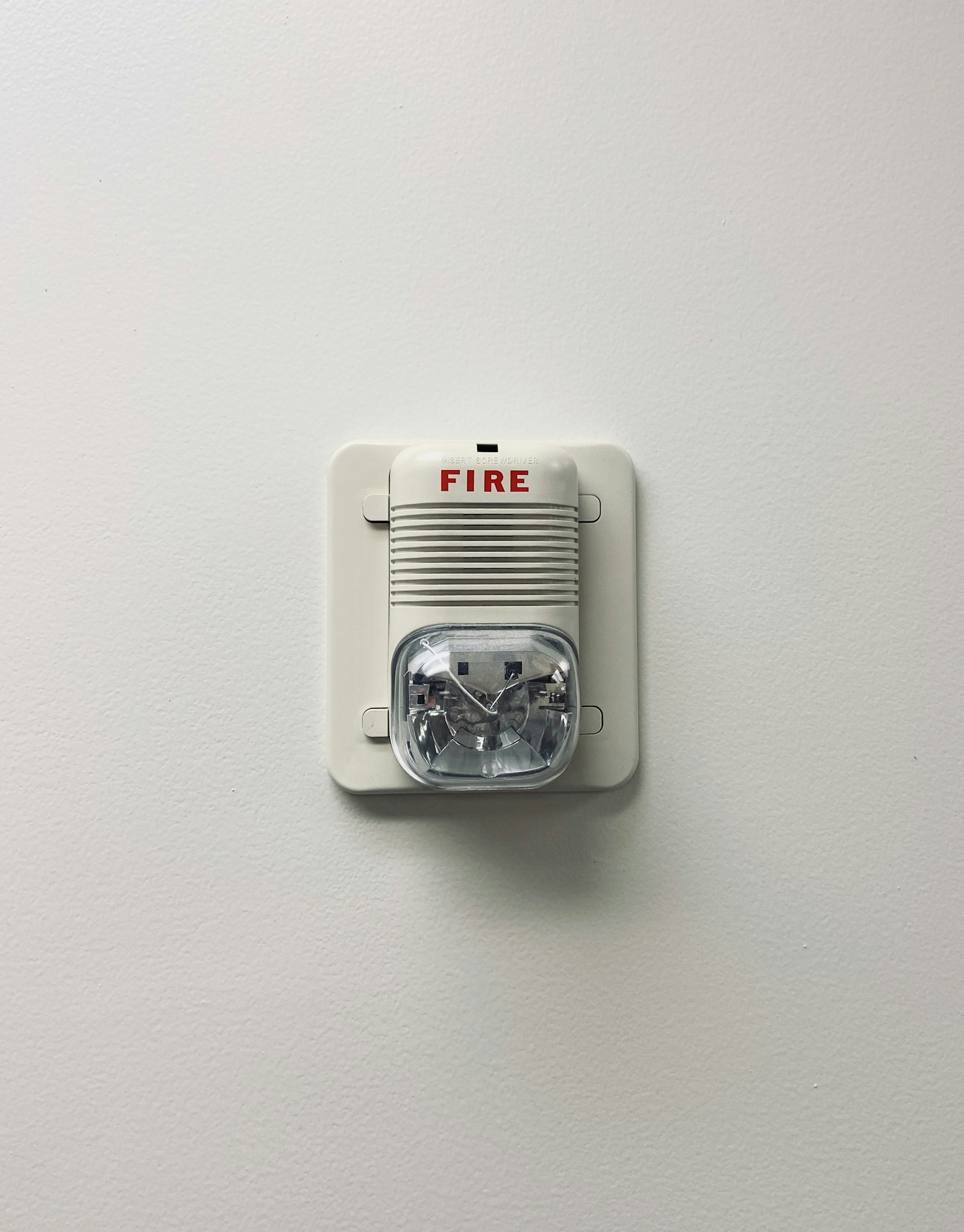
Installing reliable fire alarm systems is one of the most important — and most legally required — investments any business in Kenya can make. Beyond protecting lives and property, proper fire detection and a valid fire safety certificate are conditions of operating legally under Kenyan law. This 2026 guide explains the components of a modern fire alarm system, the difference between conventional and addressable panels, what Kenyan compliance actually requires, typical installation cost factors in KES, and how to keep your system tested and certified year after year.
Why Fire Alarm Systems Are a Legal Requirement in Kenya
In Kenya, workplace fire safety is governed primarily by the Occupational Safety and Health Act (OSHA) 2007, enforced by the Directorate of Occupational Safety and Health Services (DOSHS), alongside county-level fire safety by-laws. The law places a duty on every employer and occupier of business premises to provide adequate means of fire detection, raising the alarm, fighting fire, and safe escape. A functioning fire alarm system is therefore not optional — it is part of meeting your statutory duty of care to staff, customers and visitors.
Most businesses in Nairobi and other counties are also required to obtain and renew a fire safety certificate (often issued annually by the county fire department after an inspection). Inspectors check that detection, alarm sounders, manual call points, emergency lighting, exit signage and fire-fighting equipment are present and working. Non-compliance carries real consequences: under OSHA 2007, offences can attract fines that for serious breaches reach up to KES 200,000 (and in some cases imprisonment), in addition to the very real risk of being unable to trade, insurance claims being rejected, and liability if people are harmed.
Pro tip: Treat your fire safety certificate renewal date like a licence renewal — diarise it 60 days ahead. County fire inspections in Kenya frequently fail businesses on simple, fixable issues such as a flat panel battery, a faulty exit light or call points that have been painted over. A quick pre-inspection service visit is far cheaper than a re-inspection delay.
How a Fire Alarm System Works: The Core Components
A complete fire detection and alarm system is made up of several parts that work together to detect a fire early, alert everyone in the building, and support a safe evacuation. Understanding each component helps you specify the right system and pass inspection.
Detection devices
- Smoke detectors — the most common detector for offices, shops, hotels and corridors; ideal for early detection of smouldering fires.
- Heat detectors — used in kitchens, boiler rooms, generator rooms and dusty areas where smoke detectors would cause false alarms.
- Multi-sensor detectors — combine smoke and heat sensing for fewer false alarms in mixed environments.
Alerting and control
- Fire alarm control panel — the brain of the system; it monitors detectors, indicates the location of an event and triggers the alarm.
- Sounders and strobes — loud audible alarms (and visual flashers for noisy areas or hearing-impaired occupants) that signal evacuation.
- Manual call points (break-glass units) — let any person raise the alarm by hand near exits and along escape routes.
Escape support
- Emergency lighting — battery-backed lights that keep escape routes visible during a power failure.
- Exit signage — illuminated "EXIT" / "WAY OUT" signs guiding people to the nearest safe exit.
We supply genuine, warranty-backed versions of all of these as part of our alarms and intrusion product range. Many businesses pair fire detection with intruder protection — if you are also securing the premises after hours, our guide to burglar alarm systems in Kenya is a useful companion read.
Conventional vs Addressable Fire Alarm Systems
The single biggest design decision is whether to install a conventional or an addressable system. The right choice depends on the size and layout of your premises.
| Feature | Conventional system | Addressable system |
|---|---|---|
| How it locates a fire | By zone (e.g. "Ground floor") — you then search the zone | By exact device — the panel names the specific detector |
| Best suited for | Small to medium premises: shops, clinics, small offices | Larger or multi-floor buildings: hotels, malls, factories, schools |
| Wiring | Separate circuit per zone (more cable) | Loop wiring serving many devices (efficient on large sites) |
| Maintenance | Simple, lower-cost devices | Faster fault-finding; easier to manage many points |
| Typical relative cost | Lower upfront | Higher upfront, better value at scale |
As a rule of thumb: a single-storey shop or small office is usually well served by a conventional panel, while any building where pinpointing the exact source of an alarm quickly matters — or where there are many rooms across several floors — benefits from an addressable system. Our team can assess your floor plan and recommend the most cost-effective option; book an assessment through our professional installation services.
Typical Fire Alarm System Costs in Kenya (2026)
The figures below are typical Kenyan market price ranges for 2026 (KES) for general budgeting only. Actual pricing depends on building size, number of detectors, brand, cabling runs and whether you need emergency lighting and signage. Always check our product pages or contact us for current pricing on your specific project.
| Item / scope | Typical market range (KES, 2026) |
|---|---|
| Smoke or heat detector (per point) | 2,500 – 8,000 |
| Manual call point (break glass) | 2,000 – 6,000 |
| Sounder / strobe | 3,000 – 9,000 |
| Conventional control panel (2–8 zone) | 15,000 – 60,000 |
| Addressable control panel (loop) | 80,000 – 300,000+ |
| Emergency light / illuminated exit sign (each) | 2,500 – 9,000 |
| Small business full system (supply + install) | 80,000 – 250,000 |
| Medium/large addressable system (supply + install) | 400,000 – 2,000,000+ |
What drives the final cost
- Building size and number of rooms — more space means more detectors and longer cable runs.
- System type — addressable panels cost more but scale better for big buildings.
- Compliance extras — emergency lighting, exit signage and battery backup add to the bill but are usually required for certification.
- Installation complexity — false ceilings, multiple floors and occupied premises increase labour.
Planning a Compliant Installation
A system that simply "beeps" is not the same as a compliant one. To pass a county fire inspection and meet OSHA 2007, your installation should follow recognised design practice: detectors positioned for full coverage, call points within reach along escape routes, audible alarm levels sufficient throughout the building, emergency lighting on all escape paths, and clear, illuminated exit signage. The panel must have a working battery backup so the system stays live during a power cut.
Professional installation matters because inspectors and insurers expect the work to be done correctly and documented. Our technicians design to coverage requirements, install genuine warranty-backed equipment, commission and test the system, and provide you with documentation that supports your fire safety certificate application. Explore the full range on our products page, or arrange a site survey via our installation services.
Maintenance, Testing and Keeping Your Certificate Valid
Fire alarm systems must be maintained to stay reliable and compliant. Good practice — and what inspectors look for — includes:
- Weekly — test one manual call point (rotating around the building) to confirm the panel and sounders respond, and check the panel shows no faults.
- Monthly — test emergency lighting and exit signage.
- Periodic professional service — typically twice a year, a technician inspects detectors, cleans sensors, checks batteries and certifies the system.
- Keep a logbook — record every test and service; this is often requested during fire inspections.
We offer maintenance visits so your system stays inspection-ready all year. A small annual service cost is trivial next to the risk of a failed inspection, a penalty, or a system that does not work when it matters.
Frequently Asked Questions
Is a fire alarm system a legal requirement for my business in Kenya?
Yes. Under OSHA 2007 and county fire by-laws, employers and occupiers of business premises must provide adequate fire detection, alarm and escape provisions, and most businesses need a renewable fire safety certificate. The exact requirements scale with the size and risk of your premises.
What is the penalty for not complying with fire safety rules?
Penalties under OSHA 2007 can reach up to KES 200,000 for serious offences, with potential imprisonment in some cases, plus the practical costs of business disruption, voided insurance and liability if people are harmed. Compliance is far cheaper than the consequences of a breach.
Should I choose a conventional or addressable system?
Conventional systems suit small to medium premises like shops and small offices, while addressable systems are better for larger, multi-floor buildings where pinpointing the exact source of an alarm quickly is important. We can advise based on your floor plan.
How often should a fire alarm system be serviced?
Carry out brief weekly user tests, test emergency lighting monthly, and arrange professional servicing on a regular schedule (commonly twice a year). Keep a logbook of all tests and services for your fire inspection.
Protect your people, your premises and your licence to trade with a properly designed, genuinely warranty-backed fire alarm system installed by experts. Talk to Giga Team Solutions today on +254 718 811661 (call or WhatsApp), email sales@gigateamsolutions.com, or contact us for a site survey and quote. You can also browse genuine, warranty-backed equipment and explore our alarms and intrusion range — supplied and installed with countrywide delivery across Kenya.