POS System for Retail Shops & Supermarkets in Kenya (2026 Guide)
Buying a POS system for retail shops & supermarkets in Kenya? Compare 2026 hardware, software features, eTIMS-ready reports and typical KES price ranges.

Choosing the right POS system for retail shops and supermarkets in Kenya is one of the smartest investments a business owner can make in 2026. A good point-of-sale setup does far more than ring up sales — it tracks every item on your shelves, flags stock that is running low, reconciles M-Pesa and cash at the end of the day, and produces clean, VAT-ready reports for KRA. Whether you run a small duka in a Nairobi estate, a busy mid-sized supermarket, or a restaurant, this guide breaks down the hardware, software, and typical Kenyan price ranges so you can buy genuine, warranty-backed equipment with confidence.
What Is a POS System and Why Your Shop Needs One in 2026
A POS (point-of-sale) system is the combination of hardware and software that handles your sales transactions, captures payment, prints a receipt, and updates your inventory in real time. The era of cash boxes, manual stock books, and hand-written receipts is closing fast — especially with KRA's push for electronic tax invoicing through eTIMS. A modern POS removes guesswork and theft, speeds up your queues, and gives you a clear picture of which products actually make you money.
For Kenyan retailers, the benefits are practical and immediate:
- Faster checkout — scan a barcode instead of typing prices, cutting queue time during peak hours.
- Accurate stock control — every sale automatically reduces inventory, so you always know what is on the shelf.
- Theft and shrinkage reduction — cashier accountability and audit trails make pilferage easy to spot.
- M-Pesa and cash reconciliation — match till money to recorded sales in minutes, not hours.
- eTIMS / VAT-ready reporting — generate tax invoices and reports that align with KRA requirements.
POS Hardware: The Core Components You Need
A complete retail POS setup is built from several pieces of hardware. You can start lean and add components as your shop grows. Here is what each part does and why it matters.
1. POS Terminal or Computer
This is the brain of the system — either an all-in-one touchscreen POS terminal or a desktop computer running POS software. All-in-one terminals are compact and purpose-built for retail counters, while a standard computer offers flexibility and is often cheaper to start with. Either way, insist on genuine equipment; budget clones overheat, fail during busy hours, and rarely have local support. Browse our range on the computers & POS category page.
2. Receipt / Thermal Printer
A thermal printer produces fast, ink-free receipts. For supermarkets and restaurants where speed matters, an 80mm thermal printer is the standard. They are reliable, quiet, and cheap to run because they use heat-sensitive paper rather than ink or ribbons.
3. Barcode Scanner
A handheld or counter-mounted barcode scanner lets cashiers ring up items in a fraction of a second. For a duka with few SKUs you can manage without one, but any shop with hundreds of products will recover the cost in time saved and pricing errors avoided.
4. Cash Drawer
A lockable cash drawer connects to your printer or terminal and pops open automatically when a cash sale is recorded — improving accountability and keeping notes and coins organised and secure.
5. Customer Display & Scale (Supermarket Add-ons)
A customer-facing display shows the running total so shoppers can see prices as they are scanned, building trust. Supermarkets selling produce, cereals, or meat by weight will also need an integrated weighing scale that feeds the price directly into the POS.
Pro tip: Buy your POS terminal, printer, scanner, and drawer as a matched, tested bundle rather than mixing random brands from different shops. Mismatched hardware is the number-one cause of "the printer won't talk to the till" headaches — and it usually strikes on your busiest day. Our team configures and tests every bundle before delivery.
POS Software Features That Actually Matter in Kenya
Hardware is only half the story. The software is where a POS earns its keep. When evaluating any system, prioritise these features for the Kenyan market:
- Inventory management & stock alerts — automatic low-stock warnings so you reorder before you run out of fast-movers.
- Multi-branch support — manage several shops from one dashboard with centralised stock and pricing, essential for growing chains.
- M-Pesa & cash reconciliation — record split payments (part M-Pesa, part cash) and reconcile daily takings accurately.
- VAT / eTIMS-ready reports — produce compliant tax invoices and sales summaries for KRA filing.
- Cashier accounts & permissions — give each staff member a login so you can track who sold what and when.
- Sales analytics — daily, weekly, and monthly reports on best-sellers, profit margins, and slow stock.
- Supplier & purchase tracking — record what you buy and from whom to manage your cost of goods.
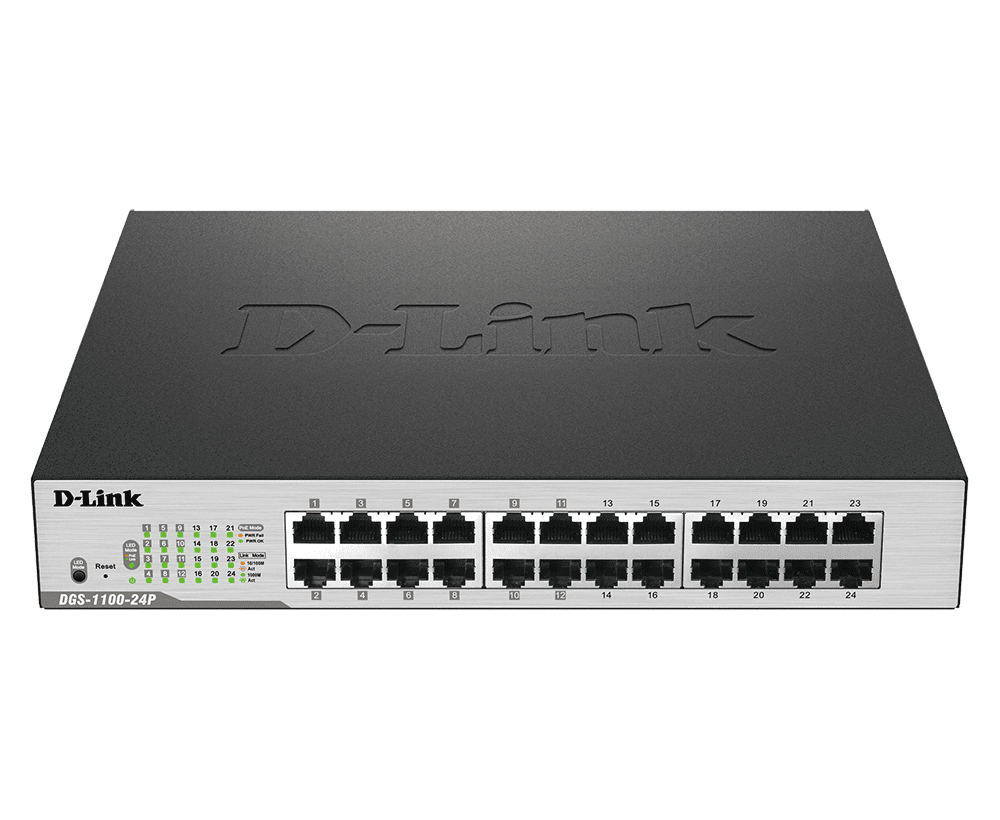
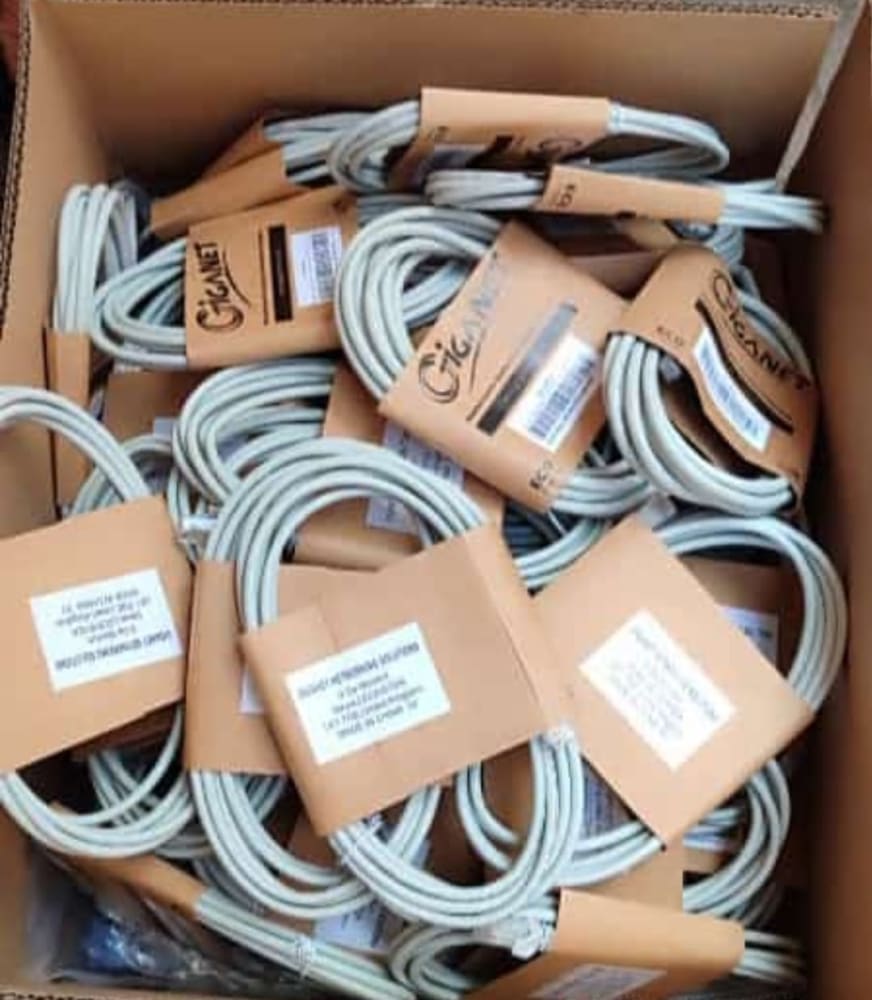
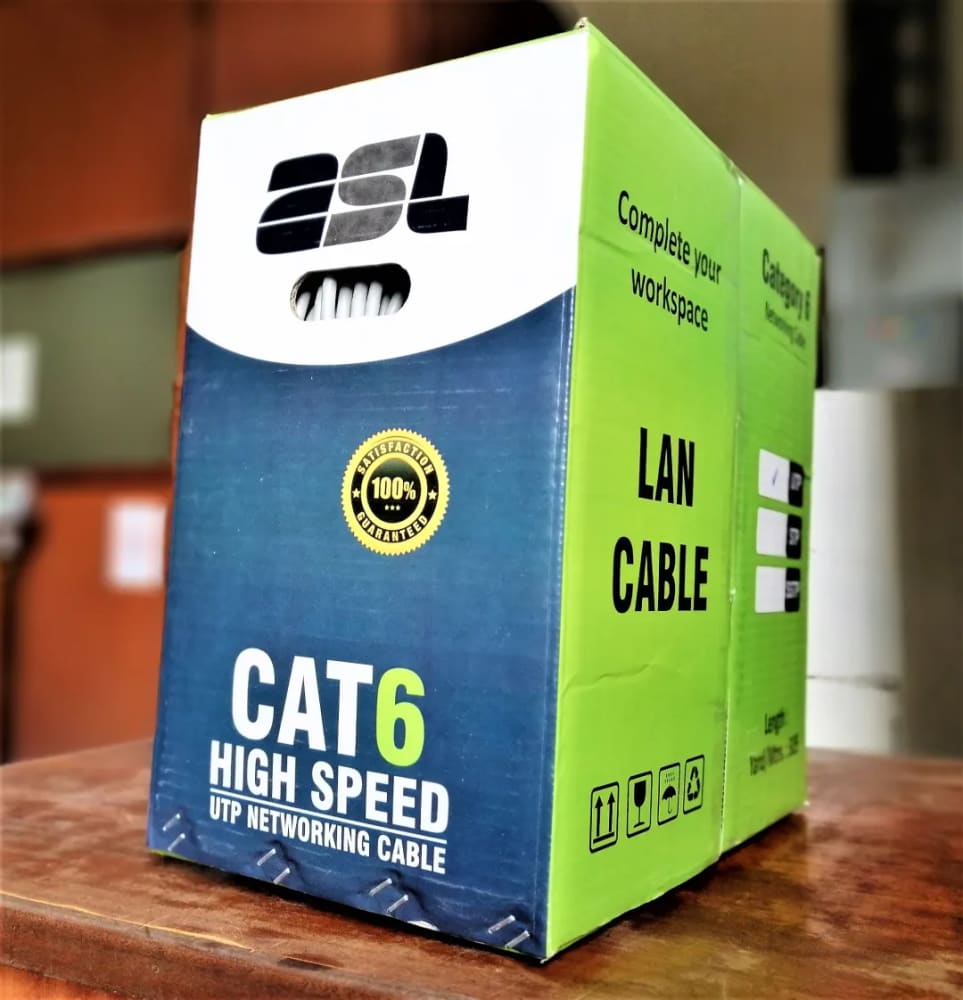
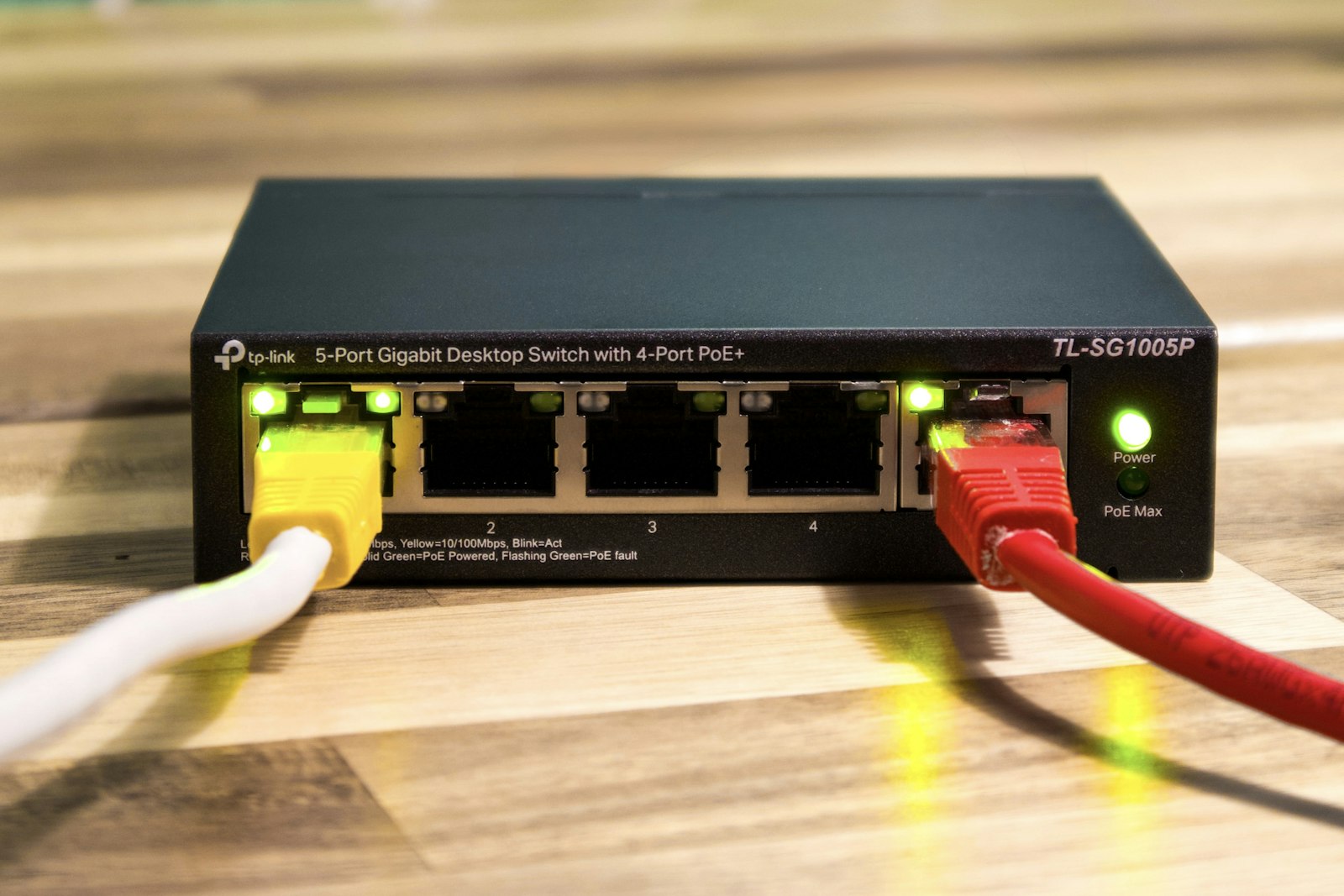
A POS system depends on a stable network, especially for multi-branch or cloud-based setups. Reliable internet, proper cabling, and a good router or switch keep your tills online and your branches in sync. If your premises need structured cabling or stronger WiFi coverage, talk to us about our installation services so your POS never drops mid-transaction.
Typical POS Price Ranges in Kenya (2026)
The figures below are typical Kenyan market price ranges for 2026 (KES) for general guidance only. Actual prices vary by brand, specification, and configuration. For current pricing on genuine, warranty-backed equipment, check our product pages or contact us directly.
| Component | Typical Price Range (KES, 2026) | Notes |
|---|---|---|
| All-in-one POS terminal | 35,000 – 90,000 | Touchscreen, varies by spec & brand |
| Desktop computer for POS | 30,000 – 65,000 | Flexible, often cheaper to start |
| Thermal receipt printer (80mm) | 7,000 – 18,000 | Fast, ink-free |
| Barcode scanner (handheld) | 3,500 – 12,000 | Wired or wireless |
| Cash drawer | 5,000 – 12,000 | Lockable, auto-open |
| Customer display | 6,000 – 15,000 | Optional, builds trust |
| Weighing scale (integrated) | 15,000 – 45,000 | For produce/supermarkets |
| POS software licence/subscription | 0 – 5,000+ per month | One-off or monthly, by features |
Starter vs Full Setup
| Setup Type | Best For | Typical Total (KES, 2026) |
|---|---|---|
| Starter (computer/terminal + thermal printer + software) | Small duka, kiosk, hardware shop | 45,000 – 90,000 |
| Standard retail (adds scanner, cash drawer, customer display) | Mini-mart, pharmacy, boutique | 90,000 – 160,000 |
| Full supermarket (multiple tills, scales, multi-branch software) | Supermarket, wholesale, chain | 200,000 – 600,000+ |
Choosing the Right POS: Duka vs Supermarket vs Restaurant
For a Small Duka or Kiosk
Start simple. A single computer or compact terminal, a thermal printer, and straightforward inventory software will transform how you track sales and stock without breaking the bank. Add a barcode scanner once your product count grows.
For a Supermarket or Mini-Mart
You will need multiple checkout lanes, barcode scanners at every till, customer displays, and likely integrated scales for fresh produce. Multi-branch software and strong stock controls become essential. This is also the environment where loss prevention pays off — pairing your POS with surveillance at the tills deters fraud. See our guide on CCTV installation cost in Kenya to plan camera coverage over checkout points.
For a Restaurant or Café
Restaurant POS needs table management, kitchen order printing, and menu-based item entry rather than barcodes. Speed and split-bill handling matter most here. Controlling staff and back-office access also matters — review our guide on office door access control systems in Kenya to secure your stores and cash office.
Why Genuine Hardware and Local Support Matter
A POS sits at the heart of your daily revenue. When it fails, you cannot sell. That is why buying genuine, warranty-backed hardware — and dealing with a supplier who offers real local support — is non-negotiable. Cheap grey-market terminals and unbranded printers may save you a few thousand shillings upfront, but they often lack drivers, fail without warning, and leave you stranded. Giga Team Solutions supplies authentic equipment, configures it to work together, delivers countrywide, and is reachable on call or WhatsApp when you need help. Explore our products or get tailored advice through contact us.
How Ordering and Payment Works
Ordering with us is simple and risk-free. You place your order online through our products pages — no card or M-Pesa payment is taken on the website. Our team then confirms your order by phone or WhatsApp, verifies the specification and delivery details, and you pay on delivery. We deliver countrywide across Kenya, from Nairobi to Mombasa, Kisumu, Eldoret, Nakuru and beyond, and our technicians can install and set up your POS so it is ready to sell from day one.
Frequently Asked Questions
How much does a POS system cost in Kenya in 2026?
A starter setup for a small shop typically ranges from around KES 45,000 to 90,000, while a full supermarket configuration with multiple tills and scales can run from KES 200,000 upwards. These are general market ranges — contact us for current pricing on specific, warranty-backed equipment.
Is the POS software eTIMS and VAT compliant?
Good retail POS software produces VAT-ready reports and tax invoices designed to align with KRA's eTIMS requirements. We can advise on options suited to your business and confirm the reporting features before you buy.
Can one POS system manage multiple branches?
Yes. Multi-branch POS software lets you manage stock, pricing, and reporting across several shops from a single dashboard. This is ideal for supermarket chains and growing retailers, though it relies on a stable internet connection at each branch.
Do I need a barcode scanner for a small shop?
Not necessarily. A duka with few products can operate well without one, while any shop with hundreds of items benefits greatly from faster, error-free checkout. You can always add a scanner later as your inventory grows.
Do you deliver and install POS systems outside Nairobi?
Yes. We deliver countrywide across Kenya and our technicians provide expert installation and setup. You pay on delivery after we confirm your order by call or WhatsApp.
Ready to upgrade your shop or supermarket with a reliable, genuine POS system? Call or WhatsApp us on +254 718 811661, email sales@gigateamsolutions.com, or browse genuine, warranty-backed equipment today. Our team will help you choose the right setup, deliver it countrywide, and install it so you are ready to sell — with payment on delivery.